


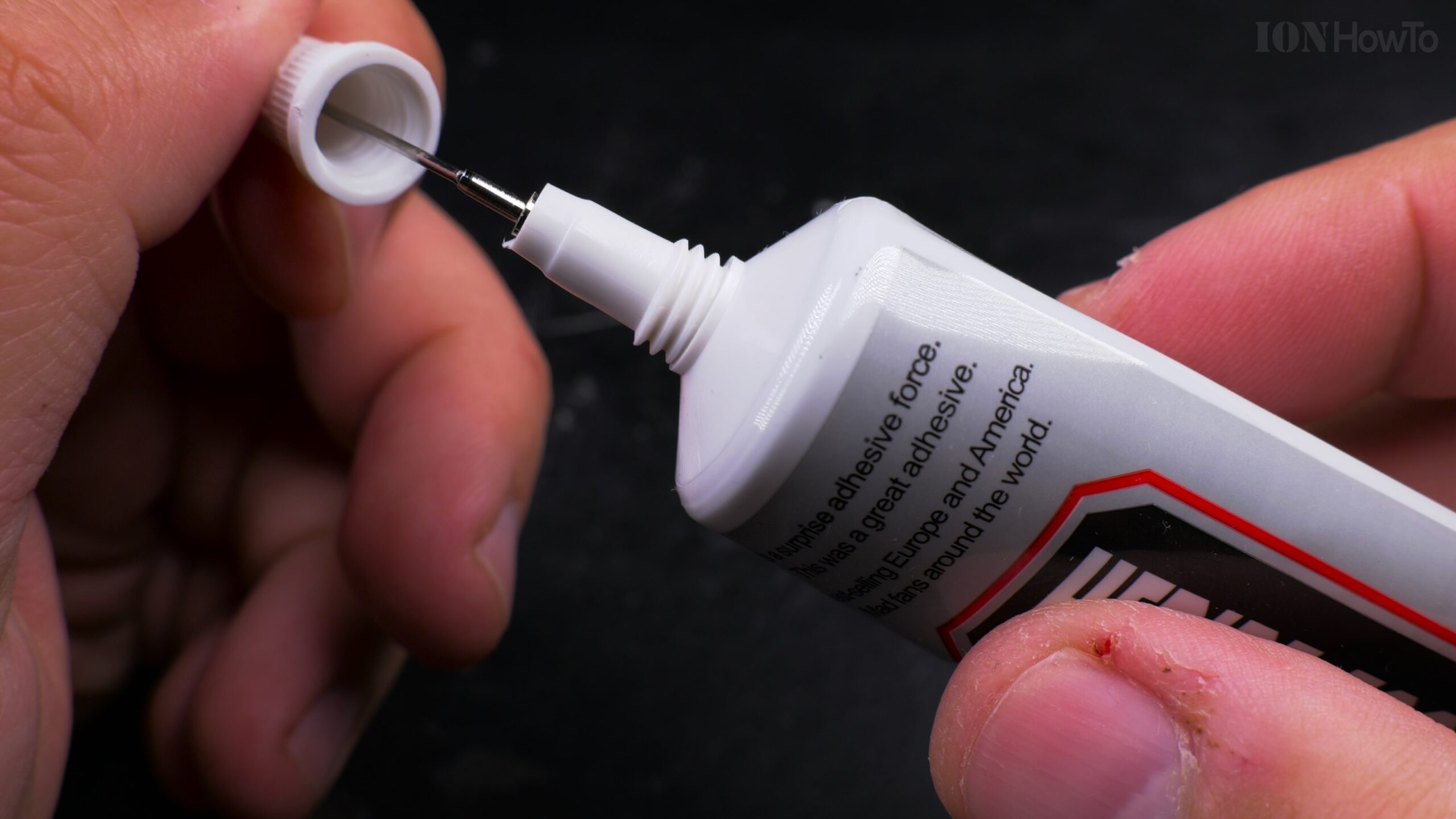
B-7000 vs E6000 Glue: A Real-World Comparison.
Choosing the right craft adhesive can be confusing, especially with popular options like B-7000 and E-6000. They look similar and are often used for the same projects. Learn how they actually compare in terms of strength, elasticity, and ease of use.
What Are These Glues Used For?
Both B-7000 and E-6000 are versatile, industrial-strength adhesives. They are known for creating strong, flexible, and waterproof bonds. People commonly use them for:
- Phone and electronics repair (like reattaching screens)
- Jewelry making and crafting
- Bonding materials like glass, metal, fabric, and plastic
- Any project where you need a bond that can bend or flex without breaking
The key feature is their elasticity. Unlike super glue, which is brittle, these glues dry into a flexible, rubber-like seal.
Direct Comparison: B-7000 vs E-6000
Based on a hands-on test, here’s how they stack up against each other.

Viscosity (Thickness):
- Fresh E-6000 tends to be more liquid and easier to squeeze out of the tube.
- Older B-7000 (or glue that has been sitting) can become thicker and more paste-like.
- The Takeaway: The “freshness” of the glue has a bigger impact on its thickness than the brand name. A new tube of either will be more liquid than an old, half-used one.
Elasticity and Strength:
When dried, both glues perform almost identically.
- They both create a highly elastic bond. You can stretch the cured glue significantly before it breaks.
- The strength is very similar. Both can hold substantial weight and form a durable, flexible seal.
- In testing, both adhesives were able to lift the same amount of weight with their flexible bond.
Is One Stronger Than the Other?
The technical data sheets show their solid content is nearly identical (E-6000: 28-35%, B-7000: 30-35%). In practical, real-world use, there is no noticeable difference in final strength. The claim that one is definitively stronger is not supported by testing.
Which Glue Should You Choose?
So, if they work the same, how do you decide?
Get B-7000 or E-6000 if:
- It is fresher and easier to find locally.
- It is cheaper or more readily available from your preferred retailer.
- You have one on hand already—it will work perfectly.
They are essentially the same product, likely made by different factories with very slight formulation tweaks. The performance outcome is identical for most crafts and repairs.
Important Safety and Usage Tips
Learn how to use these glues effectively and safely.
1. Ventilation is Critical
These adhesives have strong fumes. Always use them in a well-ventilated area. Open windows, or better yet, work outside if you can. After gluing an item, let it cure somewhere away from your main living space, like a garage or a shed.
2. Take Advantage of the Slow Cure Time
Both glues take a long time to fully set (usually 24-72 hours). This is actually a benefit! It gives you plenty of time to adjust the position of parts before the bond sets permanently.
3. For Electronics Repair
Both B-7000 and E-6000 are excellent choices for reattaching phone screens or other components because they are strong, flexible, and non-conductive. The flexibility helps absorb minor shocks.
Final Recommendation
Don’t stress over the choice. Buy the one that is most convenient for you to get. A fresh tube of E-6000 will perform just as well as a fresh tube of B-7000 for your jewelry, phone repair, or craft project.
The most important factors are using a fresh tube for the right consistency and ensuring you work in a ventilated area while the glue cures.
Leave a Reply Cancel reply