


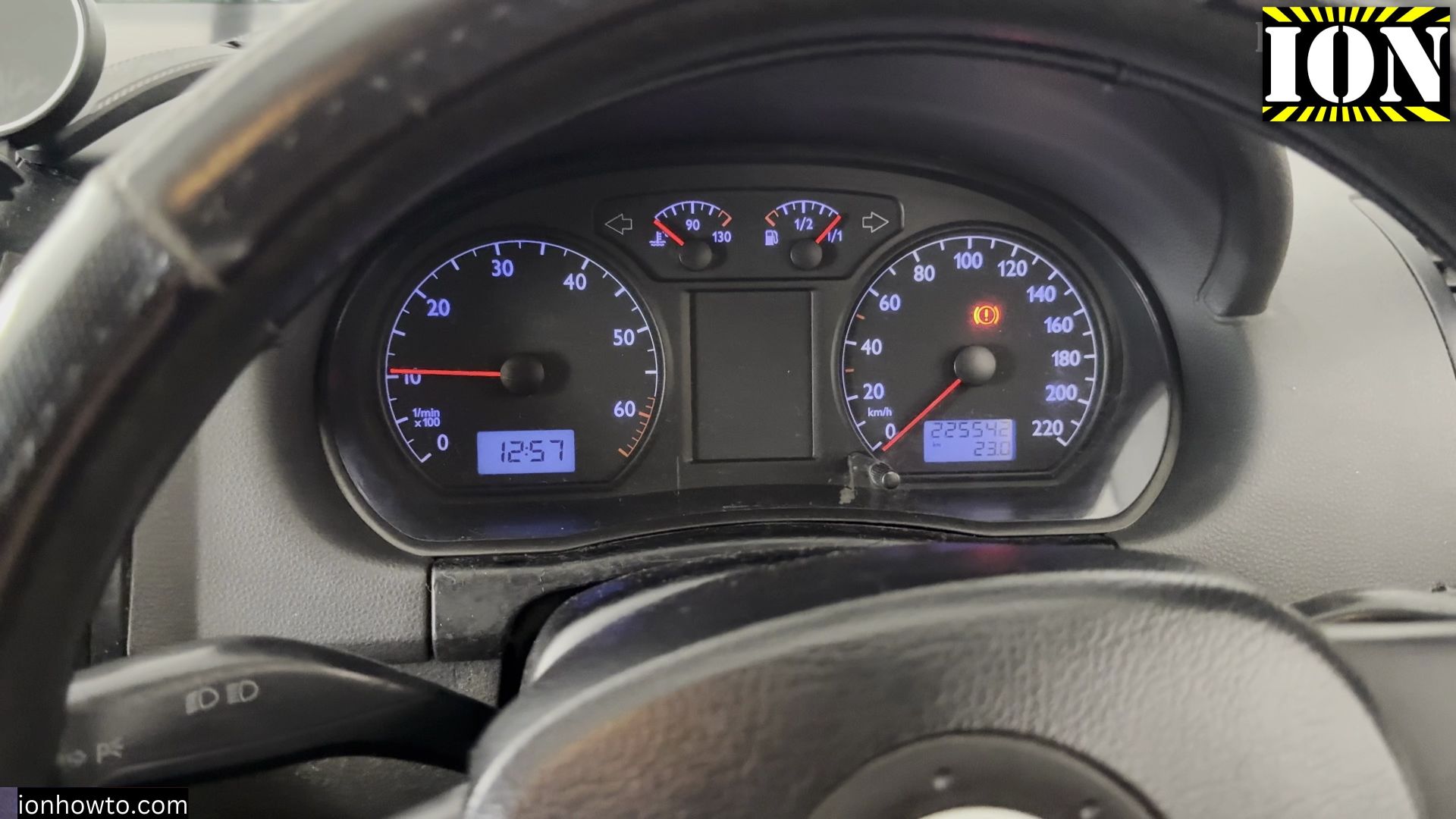
Cabin vents blowing cold air while your temperature gauge sits steadily at 90 degrees Celsius usually means sludge has clogged the heater core inside the dashboard. Follow this step-by-step video guide to reverse flush both heater core hoses on a Volkswagen Polo 9N Mk4 using only a garden hose, two water pump pliers, and a splash of G12 coolant.

What you will do
- Confirm the Engine Reaches 90 Degrees Celsius
- Start With a Cool Engine and Closed Reservoir Cap
- Find and Release Both Firewall Heater Hoses
- Flush Forward and Reverse Flush With a Garden Hose
- Reattach Hoses, Top Up G12 Coolant, and Test Cabin Heat
Recommended Amazon Gear and Accessories
Disclosure: This article contains Amazon affiliate links. As an Amazon Associate, we earn from qualifying purchases at no extra cost to you.
1. Confirm the Engine Reaches 90 Degrees Celsius
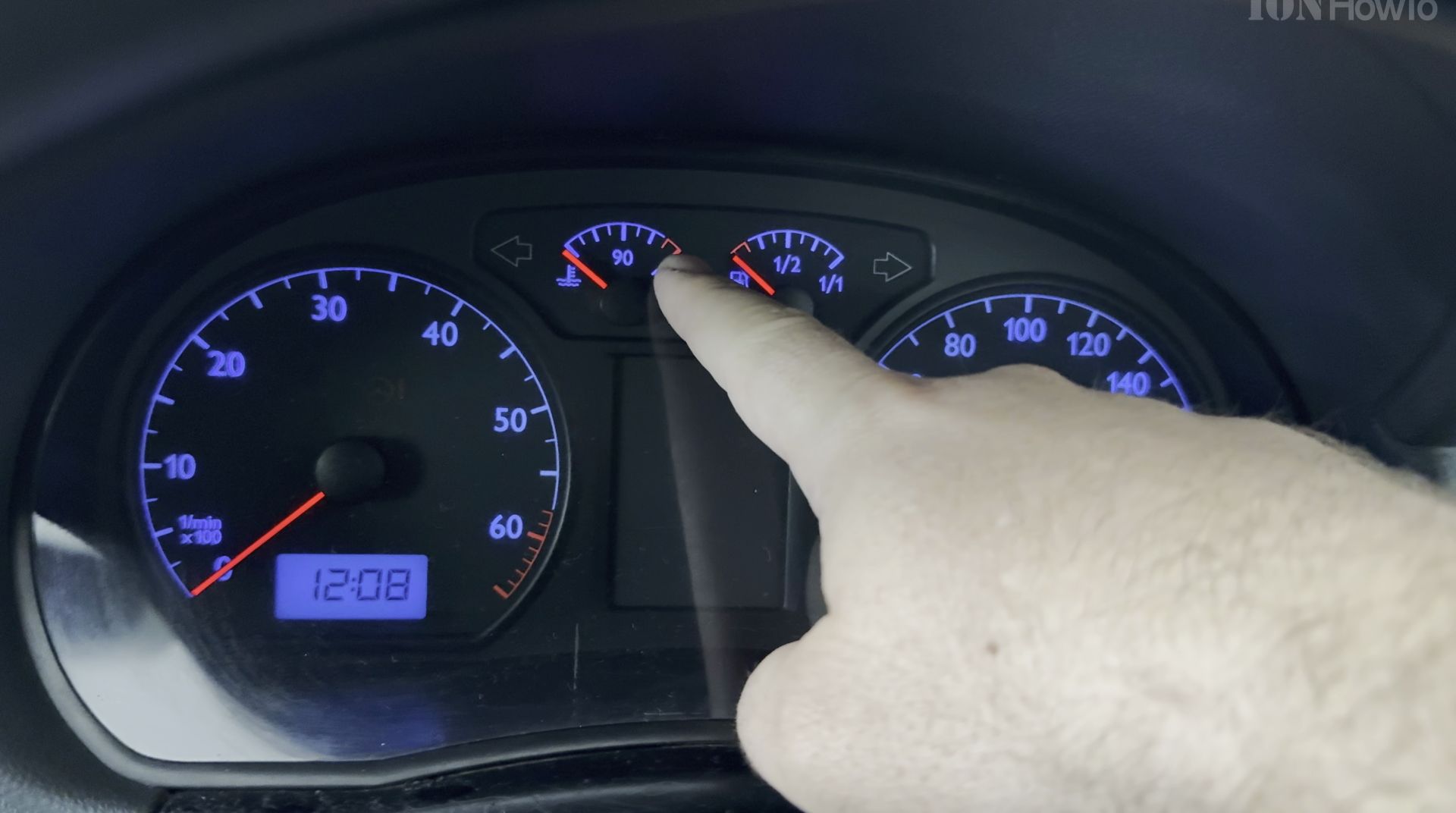
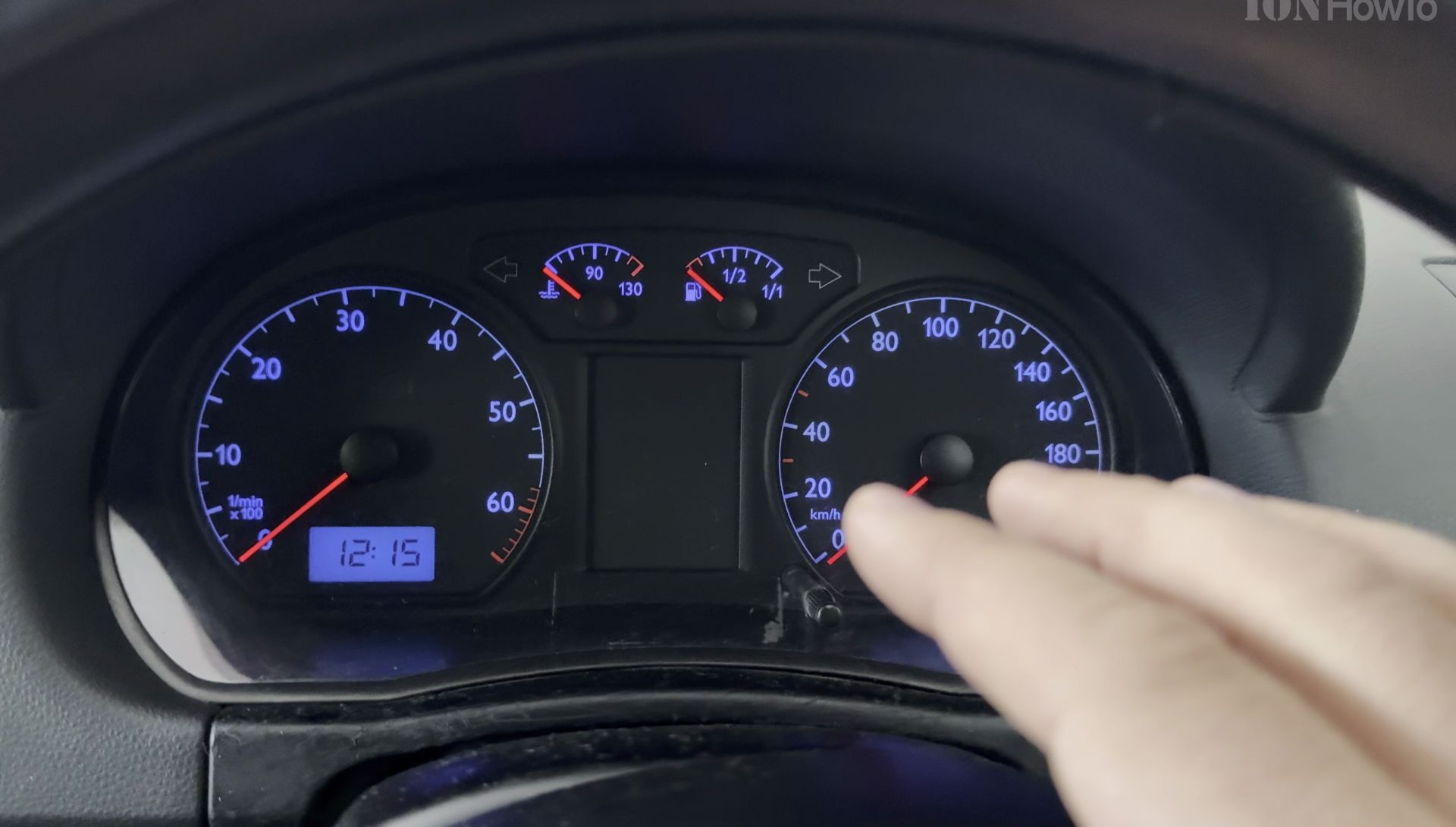
Start by checking your dashboard temperature gauge and cabin heater dial set to full hot. If engine temperature holds cleanly at 90 degrees Celsius on the highway and your coolant temperature sensor looks normal in VCDS, the radiator and thermostat are working properly while the heater core inside the cabin is clogged.

2. Start With a Cool Engine and Closed Reservoir Cap
Wait until the engine cools down so you never open hot pressurized coolant lines. Keep the round coolant expansion tank cap closed during disassembly because vacuum helps stop most of the clean engine coolant from draining onto the driveway.

3. Find and Release Both Firewall Heater Hoses
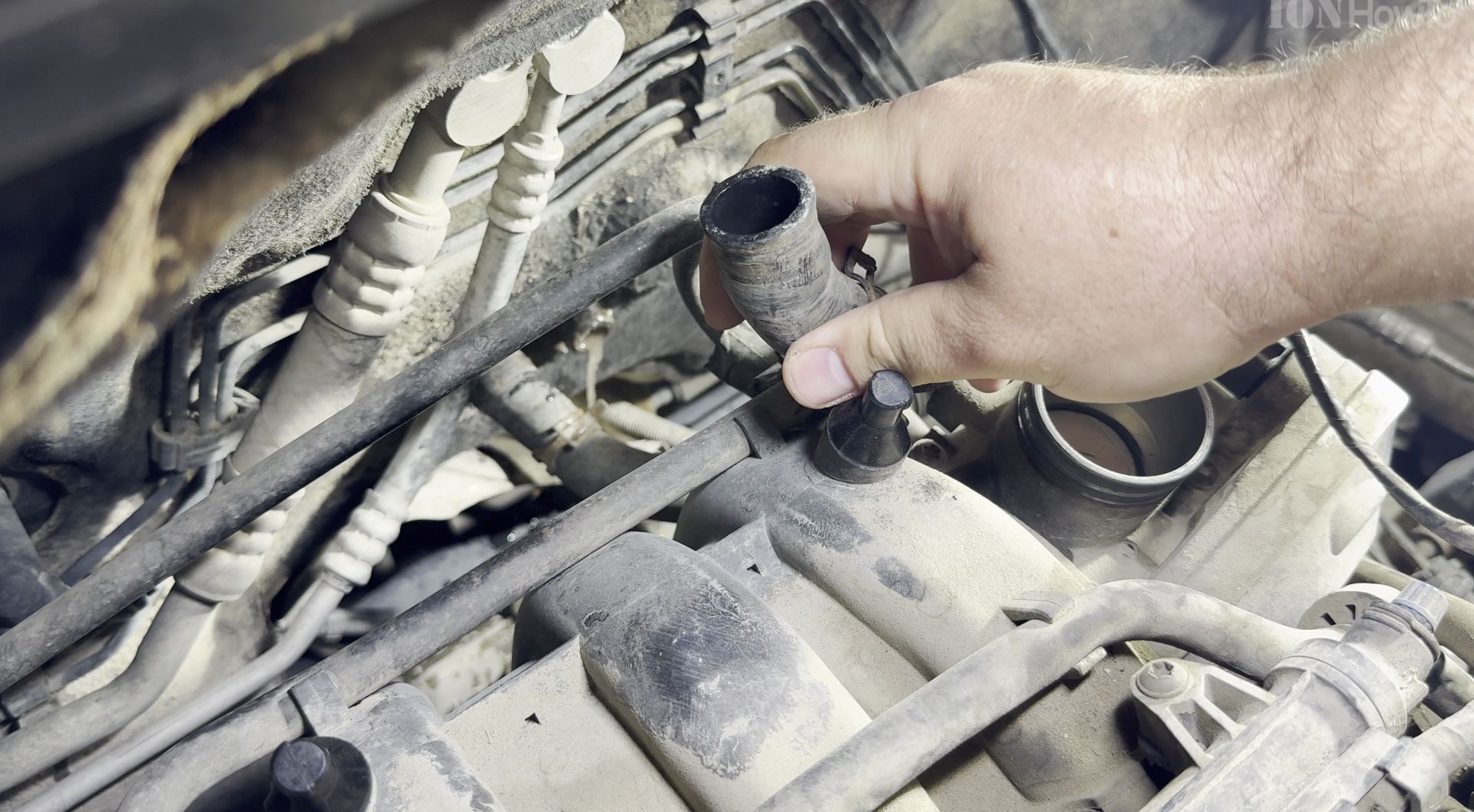
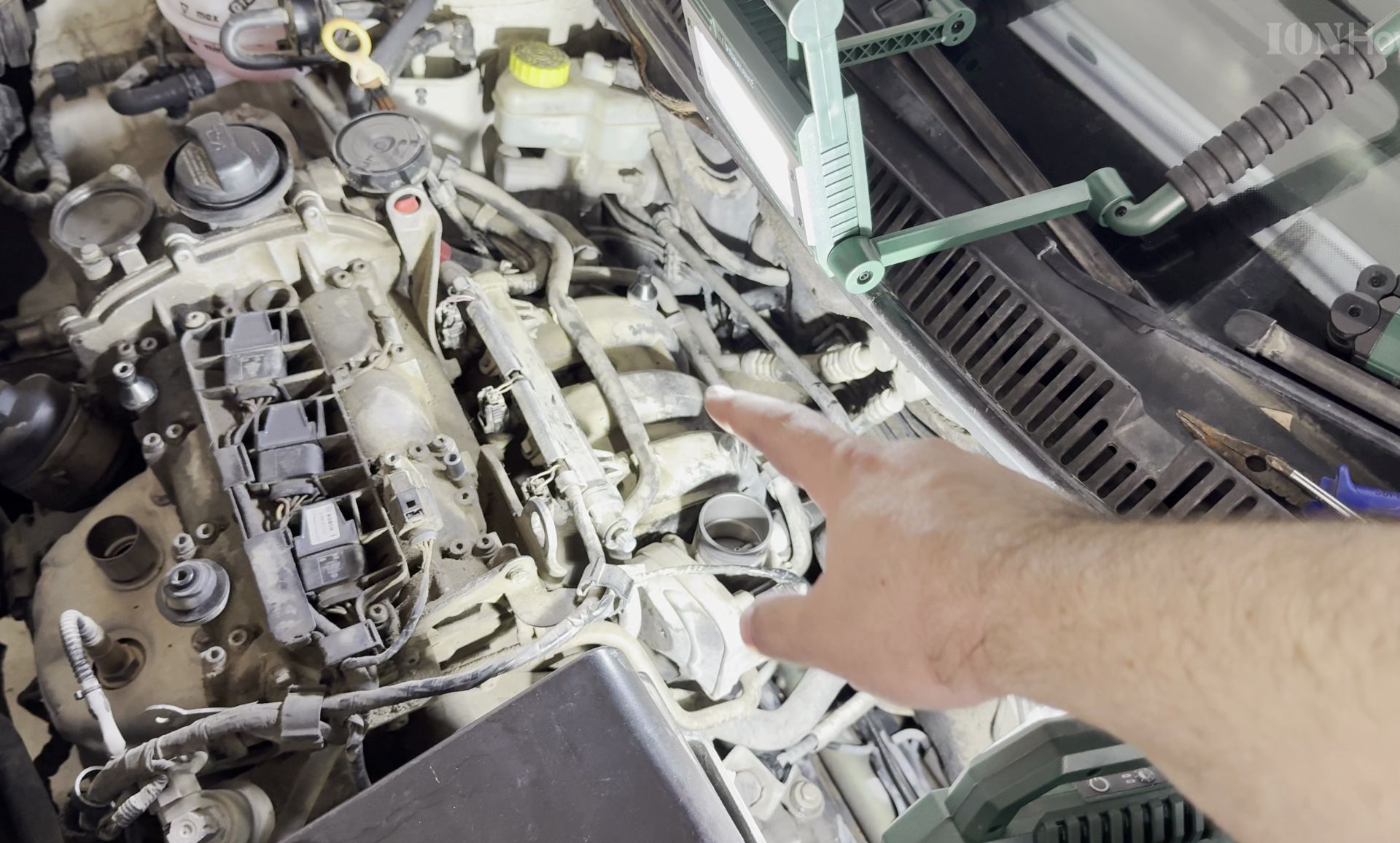
Look behind the engine toward the cabin firewall where two rubber coolant hoses sit side by side. Pinch each spring clamp open with two water pump pliers, slide the clamps back cleanly, and gently wiggle each hose free using a rounded Phillips screwdriver instead of a sharp pry tool.

4. Flush Forward and Reverse Flush With a Garden Hose
Hold a garden hose against one metal heater core pipe to force fresh water through, watching dark sludge wash out the second pipe. Swap to the opposite pipe to reverse back flush, let clean water soak for two minutes to loosen stubborn stop-leak residue, and repeat until clear water flows smoothly.

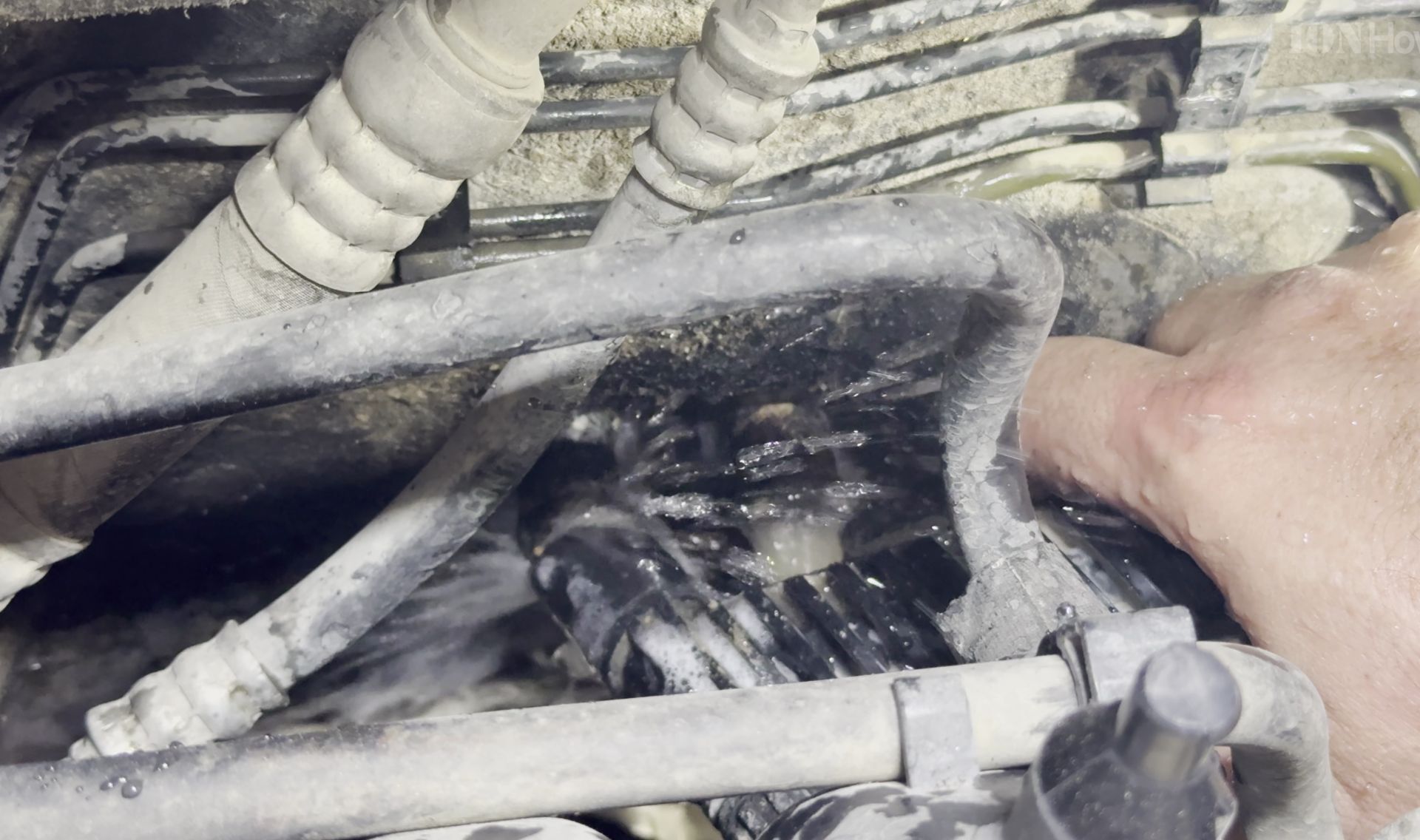
5. Reattach Hoses, Top Up G12 Coolant, and Test Cabin Heat
Slide both rubber hoses all the way onto their stops and return the spring clamps carefully without bumping nearby plastic brake or fuel lines. Top up your reservoir with G12 coolant mix, clear any tools from the engine bay, let the car idle and warm up until the cabin vents blow strong hot air, and recheck coolant level after trapped air escapes.

Helpful Tips
- Avoid pouring water toward the open engine air intake while flushing the firewall hoses.
- Radiator leak-stop additives frequently settle inside narrow heater core passages and cause repeat blockages later.
- Hold disconnected engine coolant hoses raised above reservoir height so minimal fluid spills out.
- Keep antifreeze and G12 coolant containers stored safely out of reach of children and pets.
Related Guides
- Coolant Flush for VW Polo 9n with G12 Antifreeze – How to Do a Coolant Flush onh VW Polo 9N.
- Open Stuck Glove Box on VW Polo Mk4 9N – How to Open a Stuck Glove Box on a VW Polo 9N.
- VW Polo 9N Mk4 Burning Oil PCV Valve AZQ Engine – VW Polo 9N Mk4 Burning Oil PCV Valve Check and Cleaning AZQ Engine.
- VW Polo 9N Mk4 – Browse more tutorials and practical guides in this section.
Leave a Reply Cancel reply