


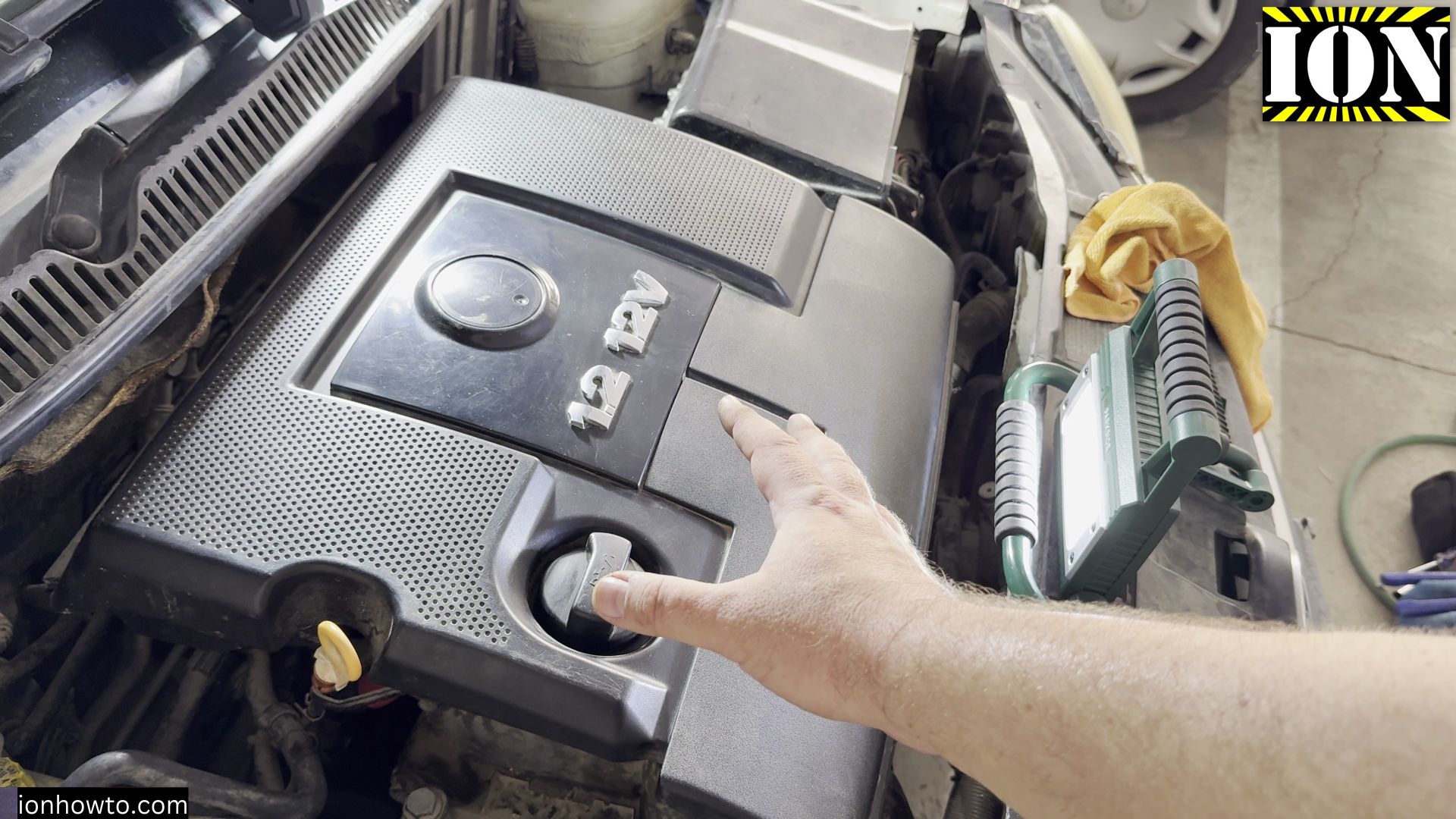
Rough engine shaking at idle or sluggish acceleration in a Volkswagen Polo 9N 1.2 12V AZQ three-cylinder car often traces back to worn spark plugs forcing the ignition coils to overwork. I’ll show you the easy DIY process in two companion tutorials below: start with the 12-minute quick fix video, or watch the full 45-minute Extended step-by-step deep dive if you want every detail.

The short route
- Work on a Cold Morning Engine and Gather the Right 16mm Socket
- Check New Plug Part Numbers and Remove Plastic Retainers
- Lift Each Ignition Coil Carefully One Cylinder at a Time
- Remove the Old Plug, Check Electrode Gap, and Seat the New Plug
- Snap Ignition Coils Back In and Verify Smooth Engine Idle
Recommended Amazon Gear and Accessories
Disclosure: This article contains Amazon affiliate links. As an Amazon Associate, we earn from qualifying purchases at no extra cost to you.
1. Work on a Cold Morning Engine and Gather the Right 16mm Socket
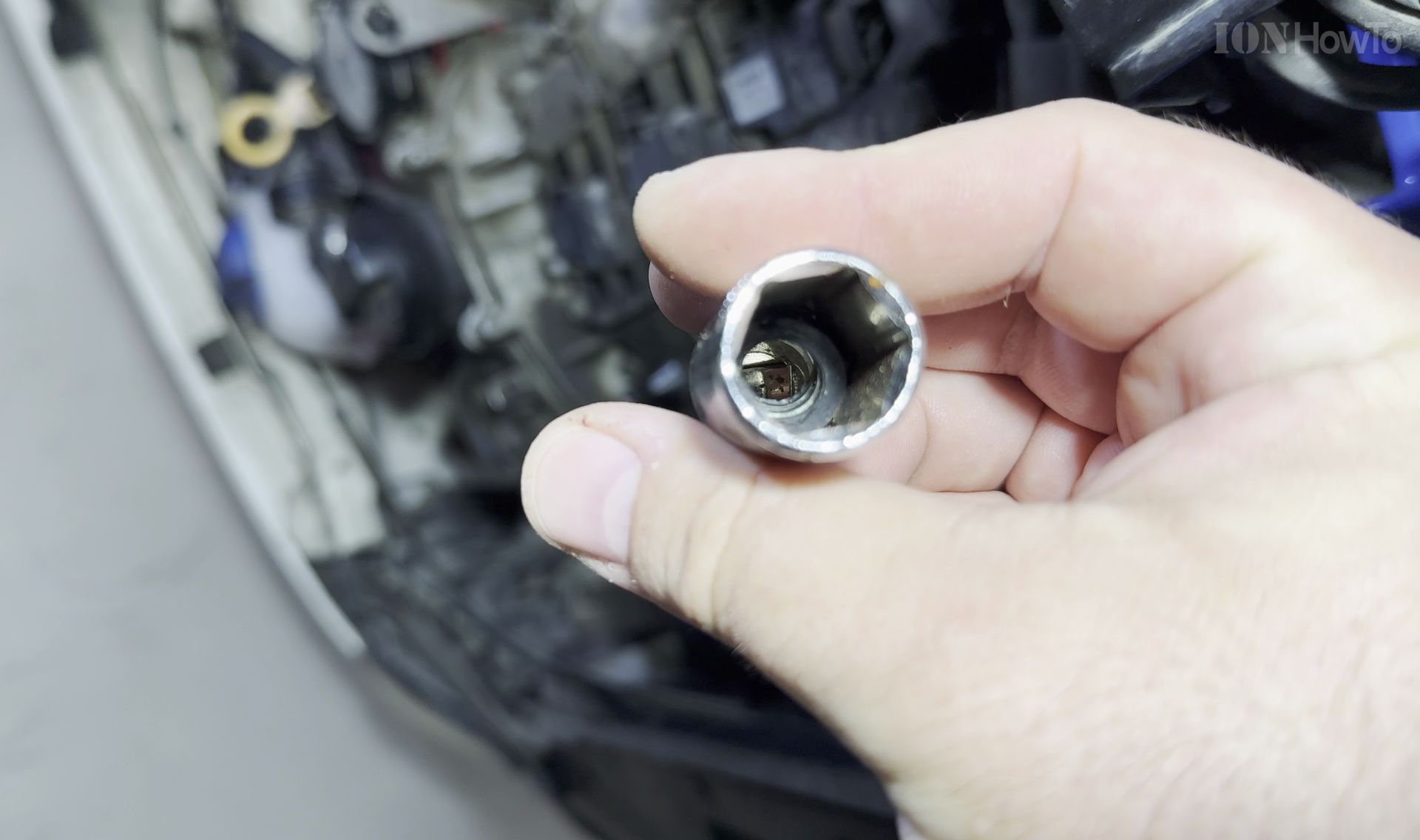
Start with a completely cold engine so aluminum cylinder head threads never bind or strip when removing old spark plugs. Prepare a 16mm (5/8 inch) magnetic or rubber-insert spark plug socket, an extension bar, pliers, and matching three-cylinder Bosch FR7HC+ plugs.

2. Check New Plug Part Numbers and Remove Plastic Retainers
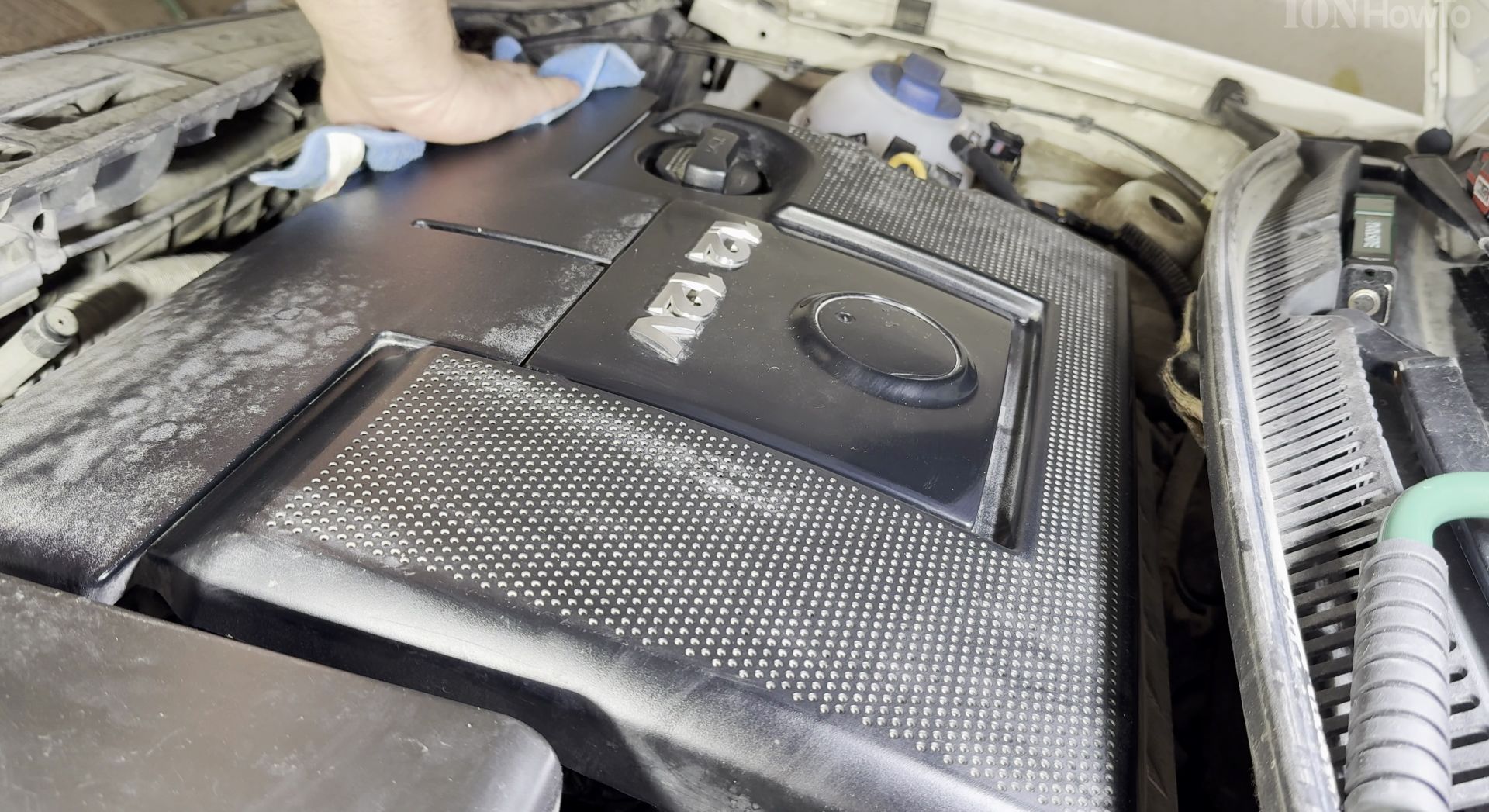
Match the part codes on your new spark plugs before opening the engine cover, then unclip the small plastic retainers holding the ignition wiring loom and airbox hoses out of your way.

3. Lift Each Ignition Coil Carefully One Cylinder at a Time
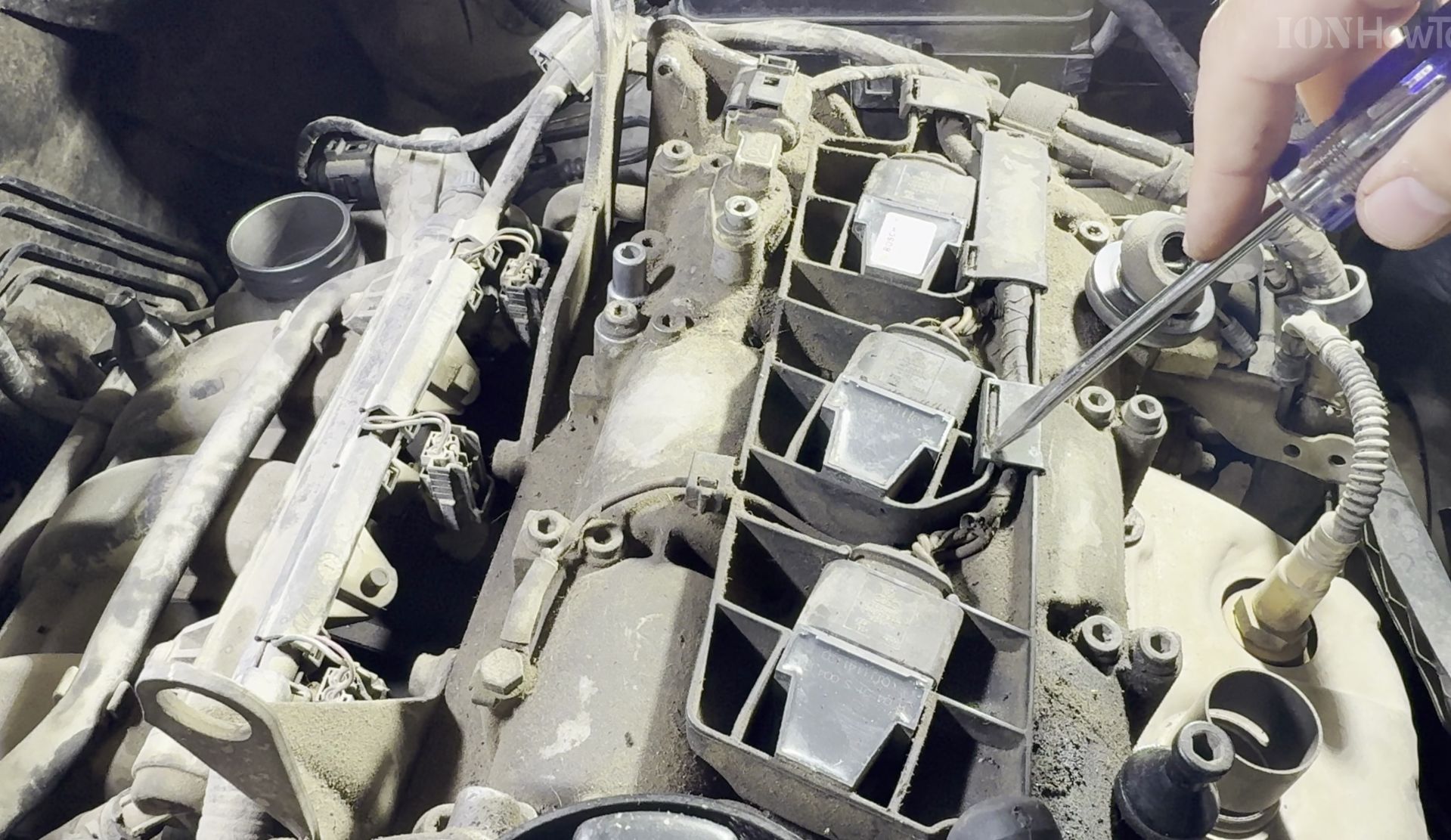
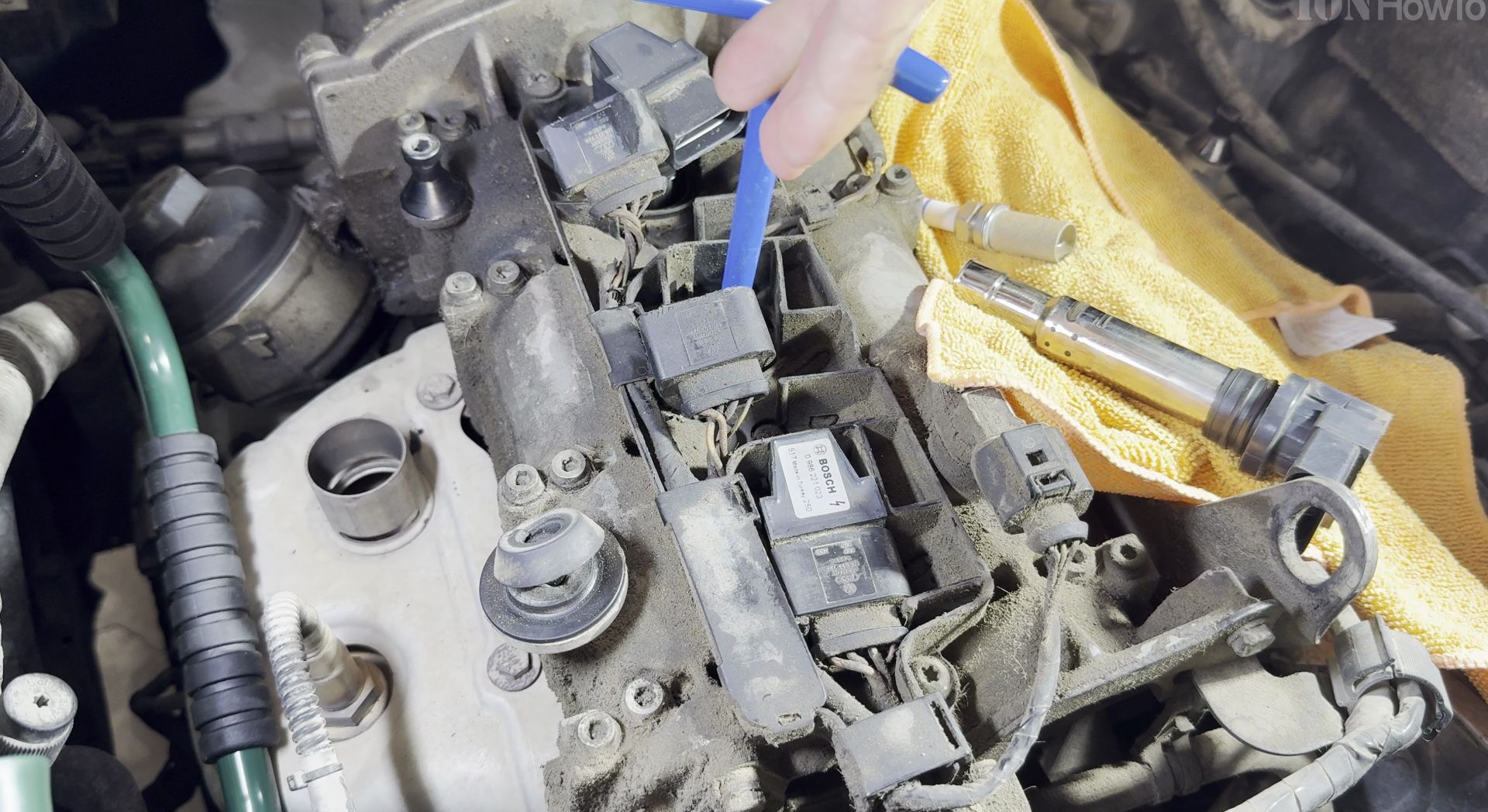
Gently pry evenly under the top edge of one ignition coil using a dedicated puller or pliers and screwdriver, then unplug the electrical connector and inspect the rubber boot for oil, corrosion, or swelling. Work on one cylinder at a time so debris cannot fall into open spark plug wells.

4. Remove the Old Plug, Check Electrode Gap, and Seat the New Plug
Unscrew the old spark plug with your 16mm socket and verify the socket rubber insert holds the plug securely while lifting it out. Compare electrode wear and threads, thread the new plug gently by hand first so threads never cross, and tighten firmly without overtightening.

5. Snap Ignition Coils Back In and Verify Smooth Engine Idle
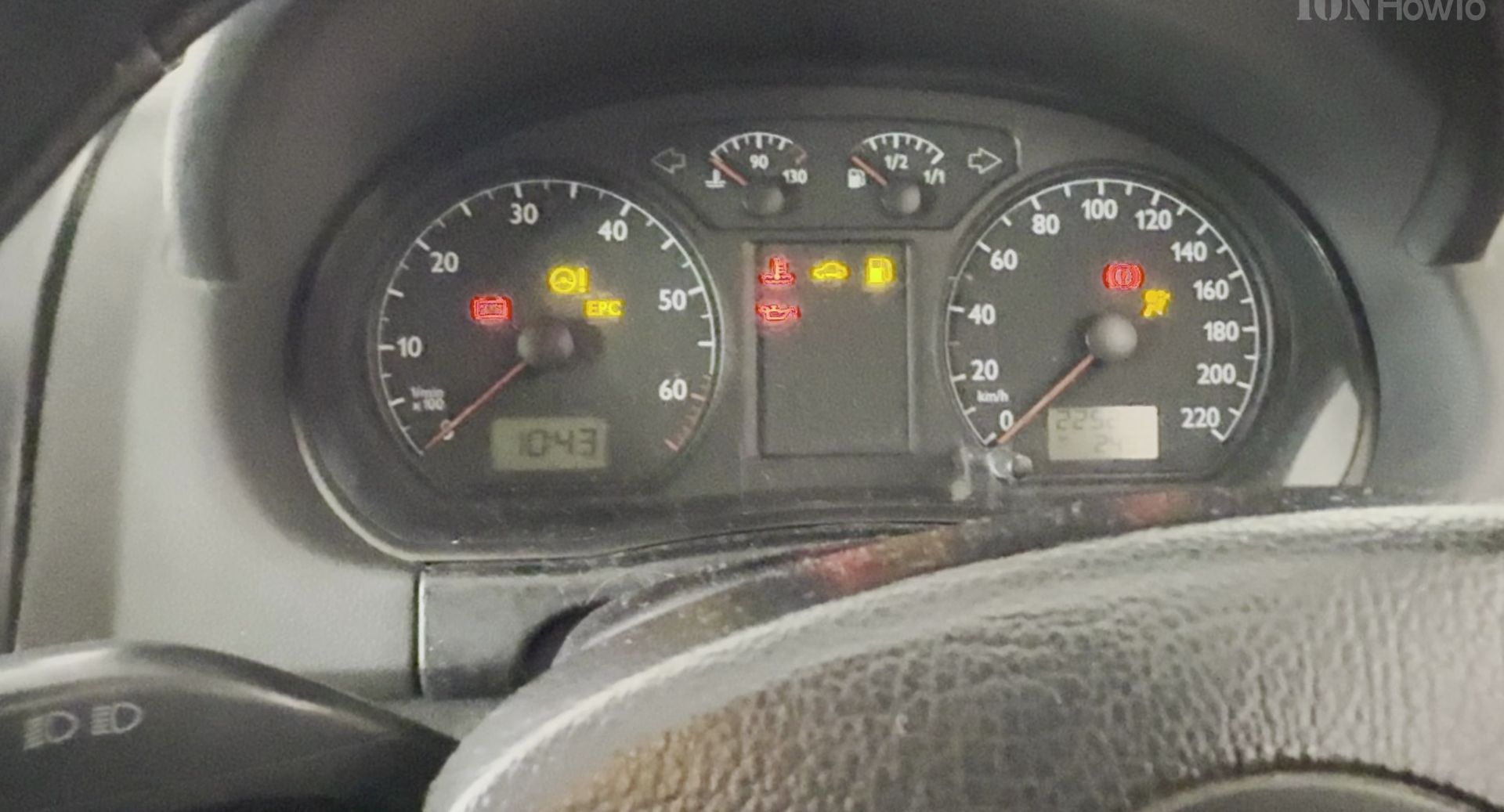
Push each ignition coil firmly down onto its spark plug and press each electrical plug connector until its retaining latch clicks securely into place. Refit every vacuum and EGR line clip, start the car, and check that engine RPM stays smooth at idle.

Full Extended Step-by-Step Deep Dive Video
If you want to watch every bolt, coil inspection, and full workbench check at an unhurried pace, watch the full 45-minute Extended tutorial below.

Helpful Tips
- Replace spark plugs roughly every 4 years or 50,000 km before wider electrode gaps overheat expensive ignition coils.
- Verify your 16mm spark plug socket still has its inner rubber grommet so plugs lift cleanly out of deep wells.
- Keep old spark plugs in the new cardboard boxes with their protective tip sleeves if you want to compare wear later.
- The 1.2 12V AZQ layout matches many Skoda Fabia and Seat Ibiza models from the same generation.
Related Guides
- VW Polo 9N Rear Brakes Replacement – How to replace rear brakes on VW Polo 9N.
- Fix VW Polo 9N Side Mirror Glass Coming Out – Fix VW Polo 9N Side Mirror Glass Coming Out – Adhesive Detaching.
- AC Off Compressor Stays On VW Polo 9N – AC Stays On After You Turn It Off?
- VW Polo 9N Mk4 – Browse more tutorials and practical guides in this section.
Leave a Reply Cancel reply