


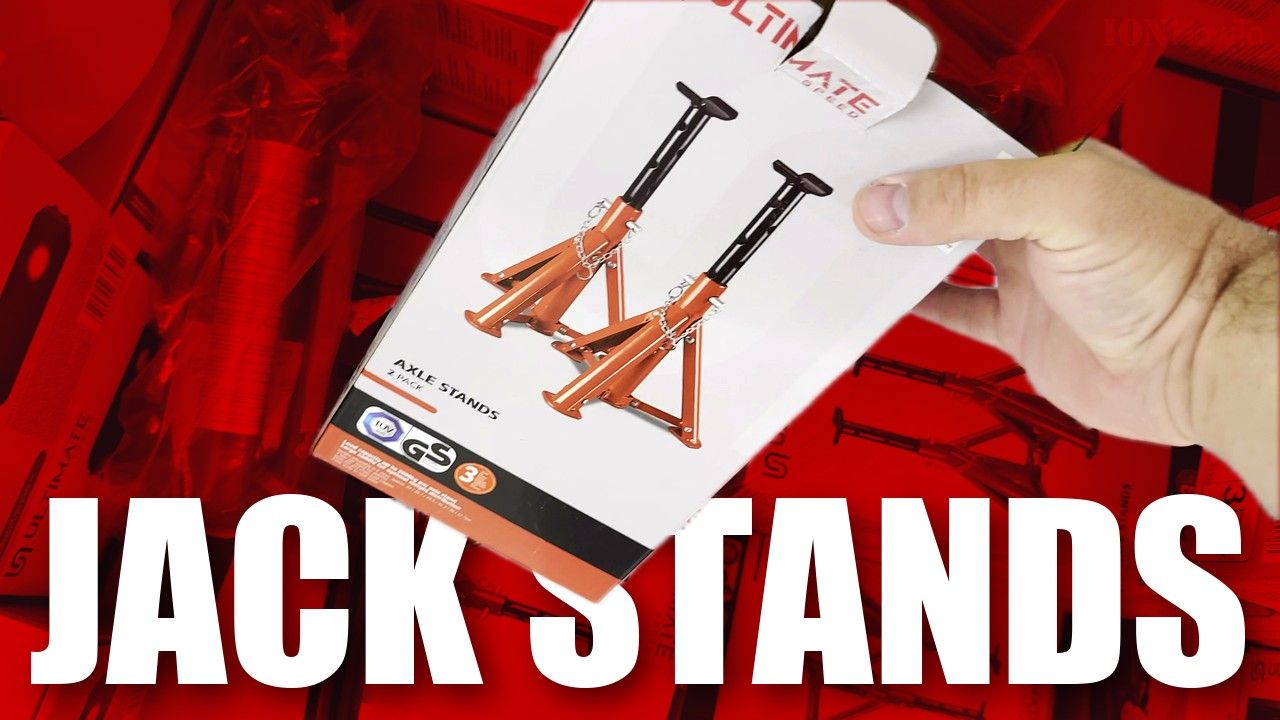
I use the Lidl Ultimatespeed hydraulic trolley jack (DIS 179) on my own car. Here is how it works, why I always add axle stands, and what I think of the Lidl HG03066 stands I looked at in the store.

The short route
- Check your car's weight against the jack
- Roll the jack under the lifting point
- Pump the handle to lift the car
- Put an axle stand under the first side
- Lift the other side and add the second stand
- Be careful with folding stands
- Lower the car slowly when you are done
Recommended Amazon Gear and Accessories
Disclosure: This article contains Amazon affiliate links. As an Amazon Associate, I earn from qualifying purchases at no extra cost to you.
- Hydraulic Trolley Jack 2 Ton
- Axle Stands 2 Ton Pair
- Car Jack and Stand Kit
- Wheel Chocks
- Mechanic Work Gloves
- LED Work Light
At a glance
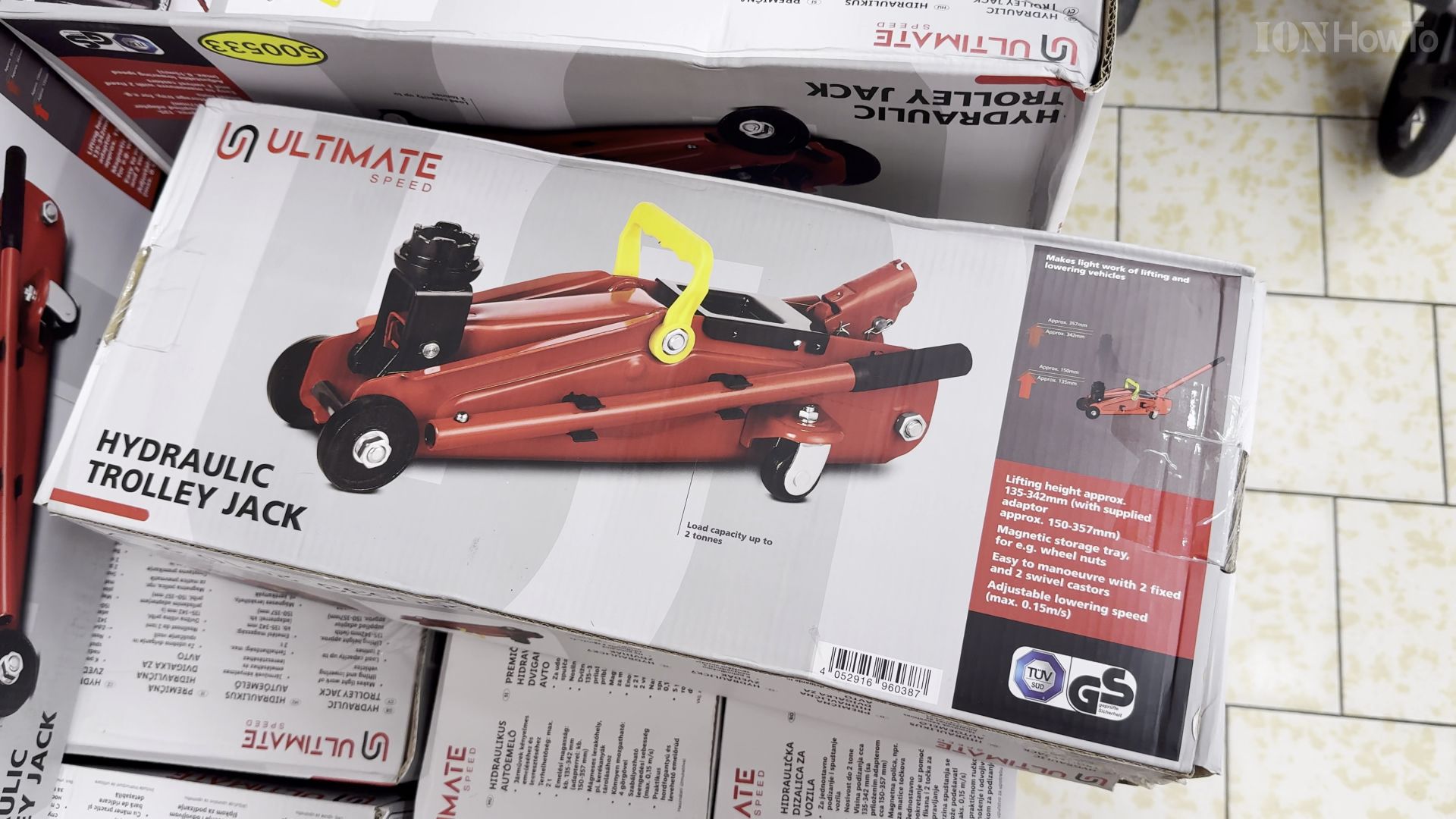
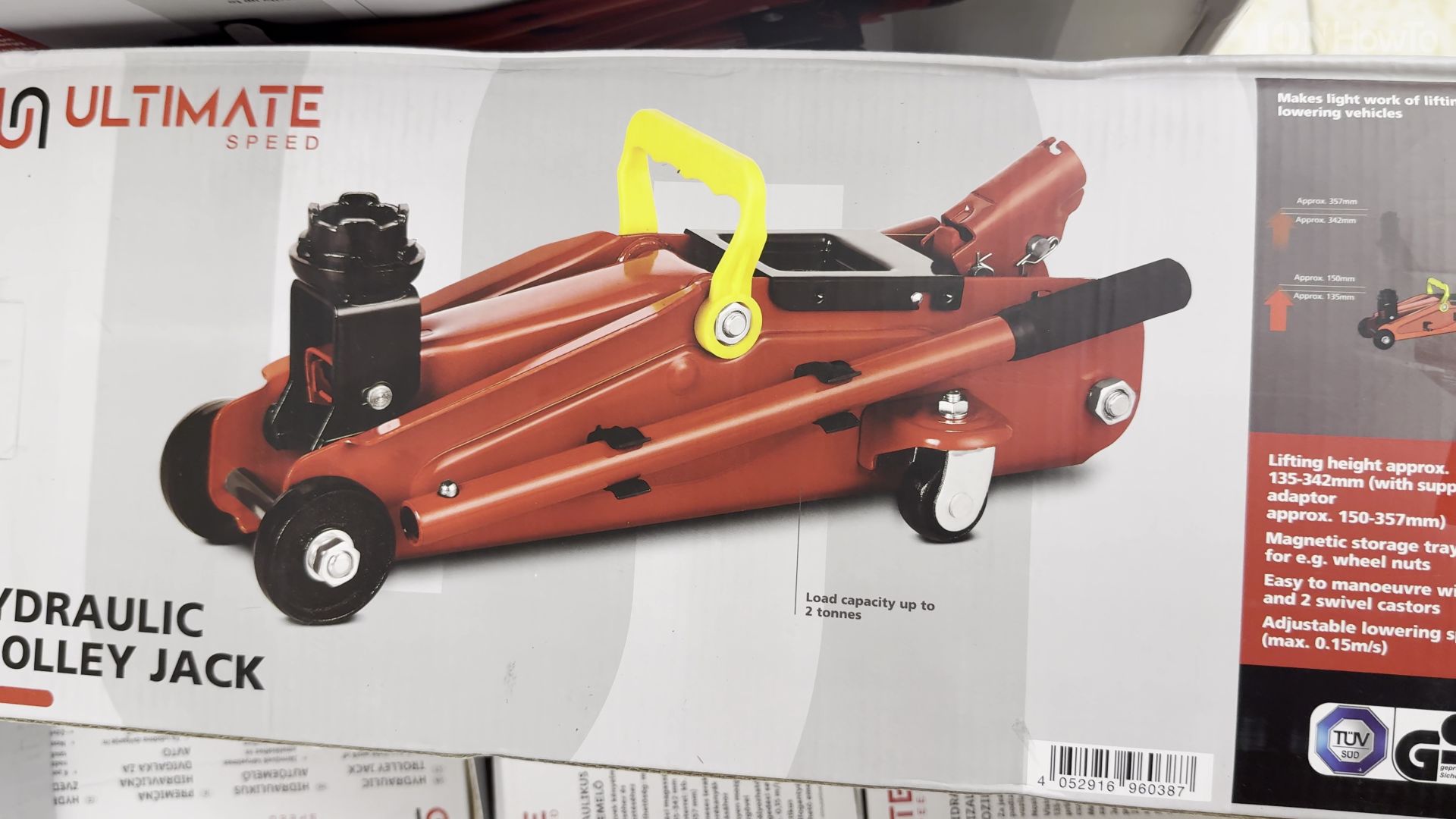
- The jack: Ultimatespeed hydraulic trolley jack DIS 179, maximum 2000 kg.
- The stands: Ultimatespeed axle stands HG03066, 2000 kg, folding.
- Main rule: never go under the car with only the jack holding it.
- My order: lift one side, add a stand, lift the other side, add the second stand.
What you need
- A hydraulic trolley jack rated for more than your car’s weight.
- Two axle stands with the same or higher rating.
- A flat, hard floor. Concrete is best.
- Wheel chocks or a brick for the wheels that stay on the ground.
- Your car manual, to find the correct lifting points.
1. Check your car’s weight against the jack
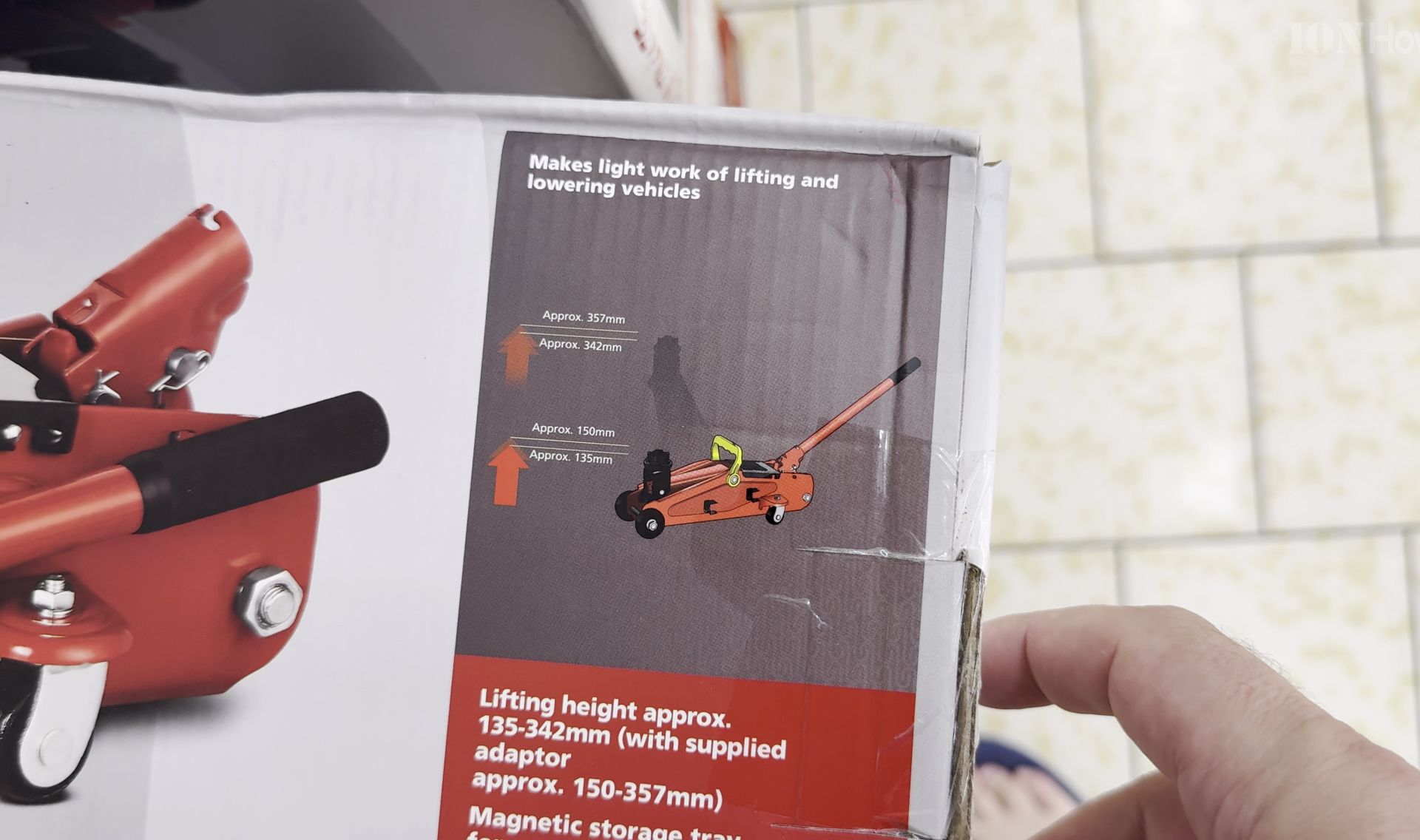
The Ultimatespeed jack lifts up to 2000 kg. My car is small, so it is well under that. Check the weight in your car manual or on the sticker in the door frame.
Why it matters: A jack that is too weak can fail under load.
What you should see: The 2000 kg rating printed on the box.


2. Roll the jack under the lifting point
The wheels make the trolley jack easy to move under the car. Put the saddle right under the lifting point from your manual.
Why it matters: Lifting on the wrong spot can bend the sill or the floor of the car.
What you should see: The round saddle sitting flat against the jacking point.

3. Pump the handle to lift the car
Close the release valve and pump the handle. The saddle adjusts itself as the car goes up.
Why it matters: A slow, steady lift keeps the car stable on the jack.
What you should see: The car rising evenly, with the jack wheels rolling slightly.

4. Put an axle stand under the first side
Once the first side is up, place an axle stand under a solid point next to the jack. Then lower the car onto the stand.
Why it matters: Hydraulic jacks can leak down slowly. The stand holds the car if that happens.
What you should see: The car resting on the stand, with the jack still close as a backup.
5. Lift the other side and add the second stand
Move the jack to the other side, lift it, and put the second stand under it. I also lift the jack a little under the car as an extra support.
Why it matters: Two stands keep the car level and safe while you work under it.
What you should see: Both stands in place before you go under the car.

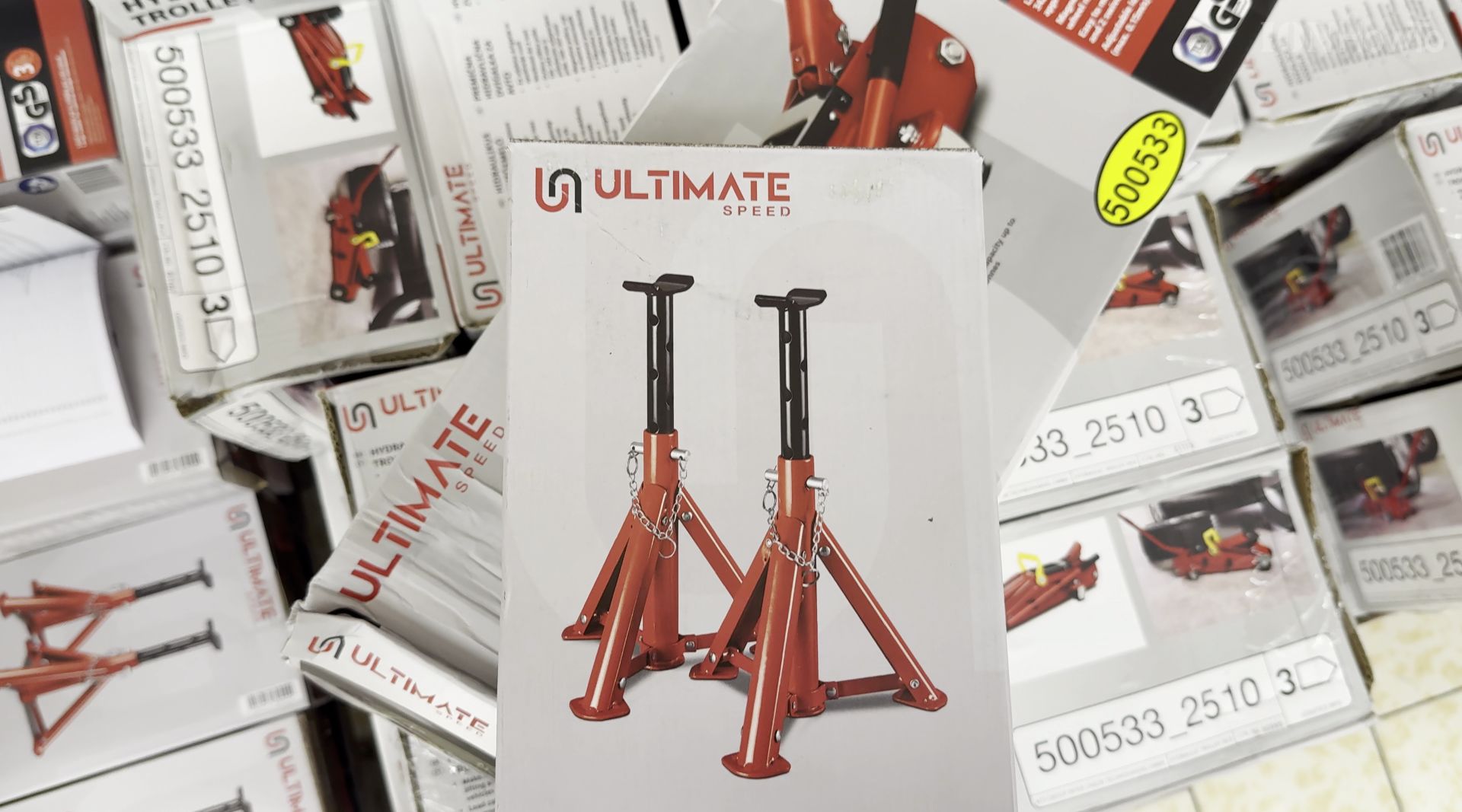
6. Be careful with folding stands
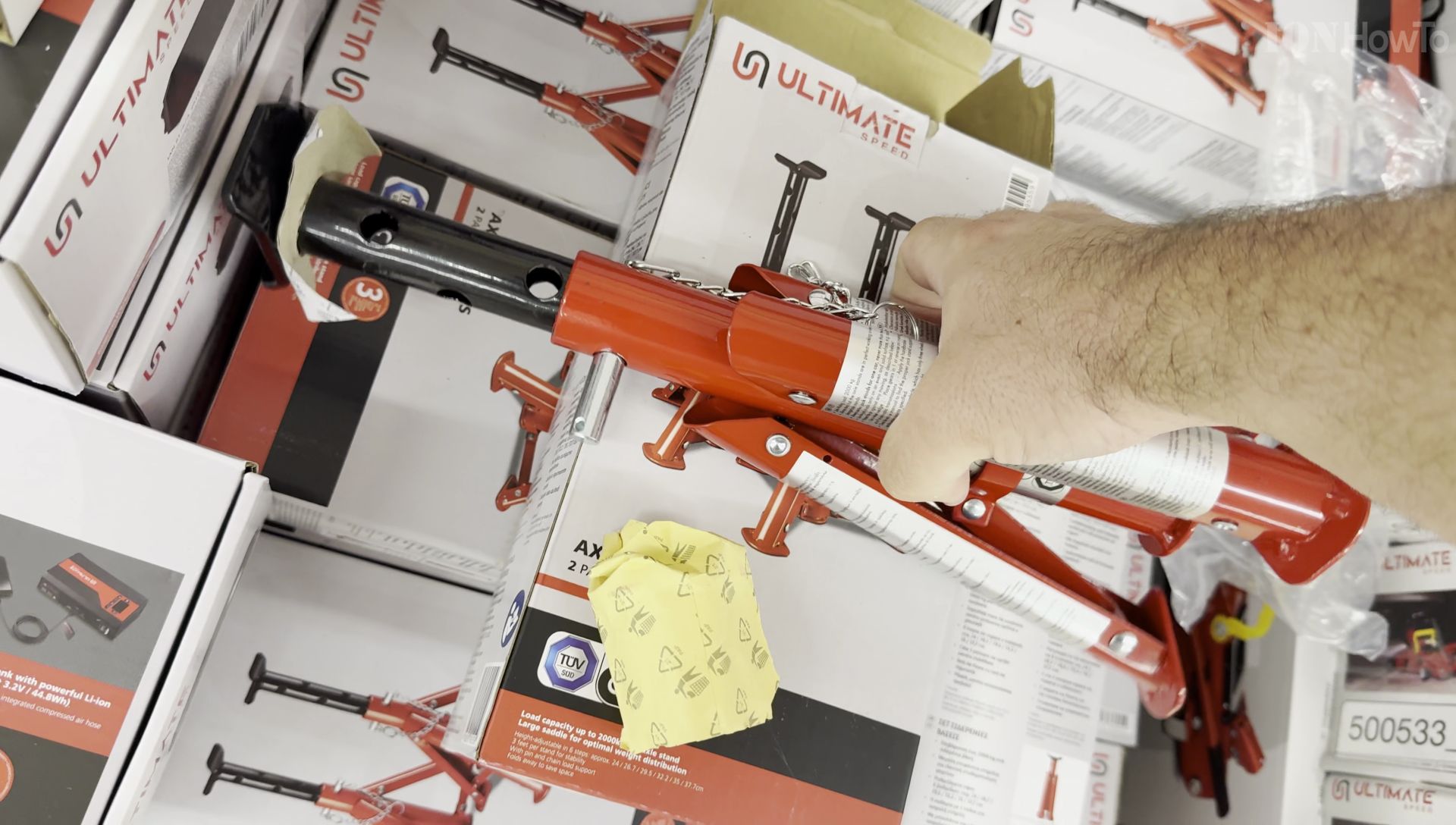
The Lidl HG03066 stands fold like a tripod, so they take little space. In the store I almost caught my fingers when folding them, and the locking pin felt like it could bend.
Why it matters: When you work on a car you already have a lot to watch. Stands that pinch fingers add one more risk.
What you should see: The fold points and the locking pin on the stand.

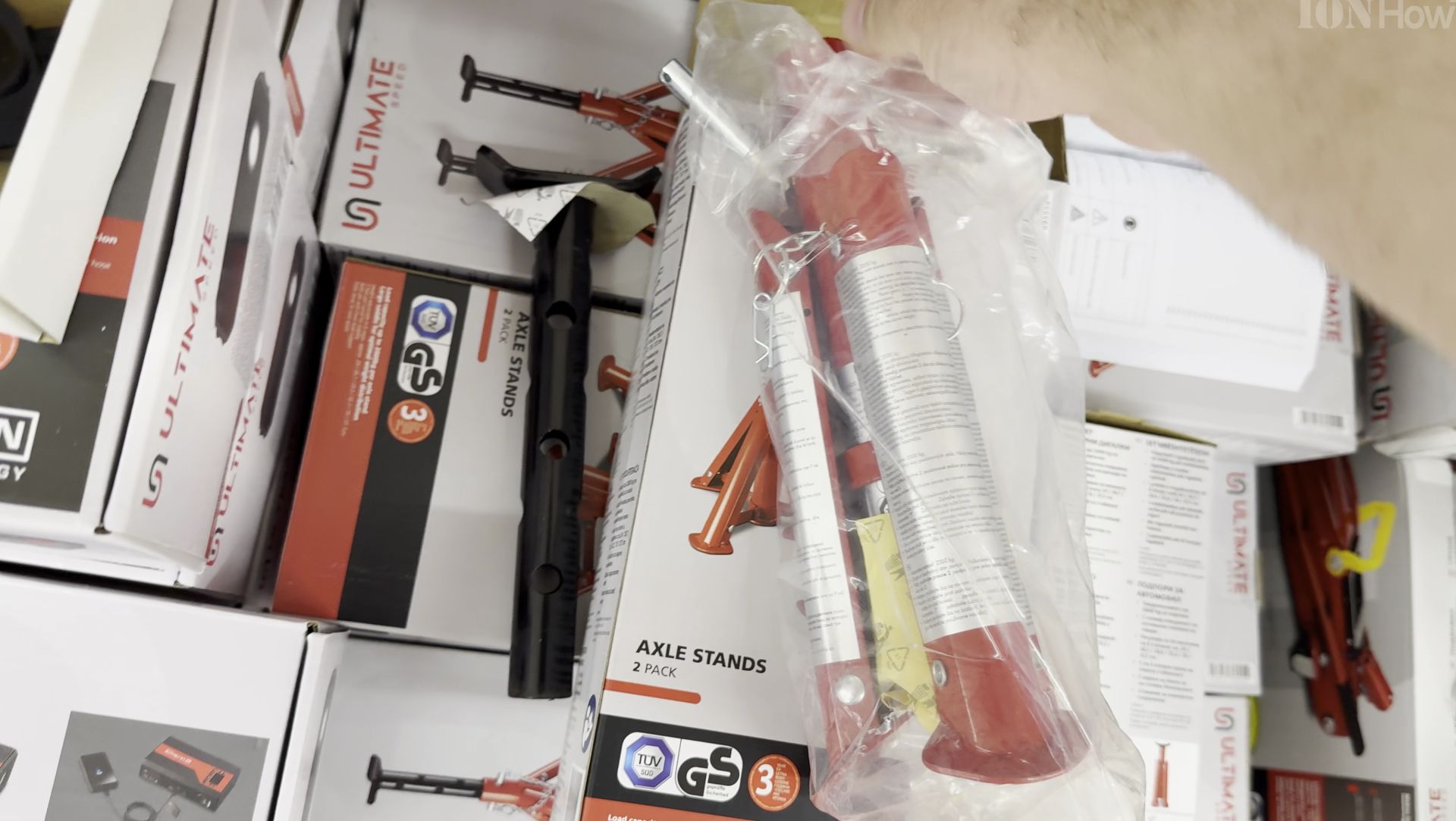
7. Lower the car slowly when you are done
Lift the car off the stands with the jack, take the stands out, then open the release valve slowly.
Why it matters: Opening the valve fast can drop the car hard on the suspension.
What you should see: The car coming down gently onto its wheels.

If it does not work as expected
- The jack will not lift: check that the release valve is fully closed.
- The car sinks slowly: this is normal for some hydraulic jacks. That is why you need stands.
- The stand pin will not go in: lift the stand column a little higher and try again. Do not force it.
- The jack rolls on the floor: work on concrete, not on soft ground or tiles.
Helpful Tips
- Buy the jack and the stands together if you do not have stands yet.
- Never use the jack on its own to hold the car while you are under it.
- Use wheel chocks on the wheels that stay on the ground.
- Keep your fingers away from fold points when setting up folding stands.
Questions people ask
How much can the Lidl Ultimatespeed jack lift?
Up to 2000 kg.
Do I need axle stands with a hydraulic jack?
Yes. A jack is for lifting, the stands are for holding the car while you work.
Are the Lidl HG03066 axle stands safe?
They are rated for 2000 kg. They worked, but I did not like how they fold, so be careful with your fingers.
Where do I put the jack under my car?
Use the lifting points shown in your car manual.
Related Guides
- How to jump start a car with cables safely – How to jump start a car with cables safely and correctly on any car.
- Lidl Crivit LED Bike Light Set – Lidl Crivit LED Bike Light Set Unboxing & Review 70 Lux Tested.
- Apple AirTag vs Lidl Silvercrest Smart Tag Finder – Apple AirTag vs Lidl Silvercrest Smart Tag Finder – An Affordable AirTag Alternative.
- Car Repair & Maintenance – Browse more tutorials and practical guides in this section.
Leave a Reply Cancel reply