
How to unlock and change a combination lock without knowing the code in 2 seconds aka the code wheels fast action. Unlock and change the combination code lock.
There is a life hack to unlock your padlock or code lock combination code lock.
These comjination code locks can be used on suitcases, travel luggage and a backpack.
This is only for your own lock and your own luggage.
DO NOT TRY THIS on someone elses bag or someone elses lock.
This is a demonstration only to use for your own lock and luggage so that you can travel without having to remember the combination code for your travel luggage bag.
Have you ever packed for a trip, zipped up your suitcase, and then realized you have no idea what you set the combination lock to? It happens to the best of us. Before you panic or think about cutting the lock, there’s a simple trick that might save your trip. I’ll show you a clever way to find the code on many common travel padlocks. Important: Only use this on your own luggage and locks.
How This Type of Combination Lock Works
First, let’s understand what we’re dealing with. The small, three-digit padlocks commonly found on suitcases and backpacks have a simple internal mechanism. Inside the lock, there are three plastic wheels (one for each digit).
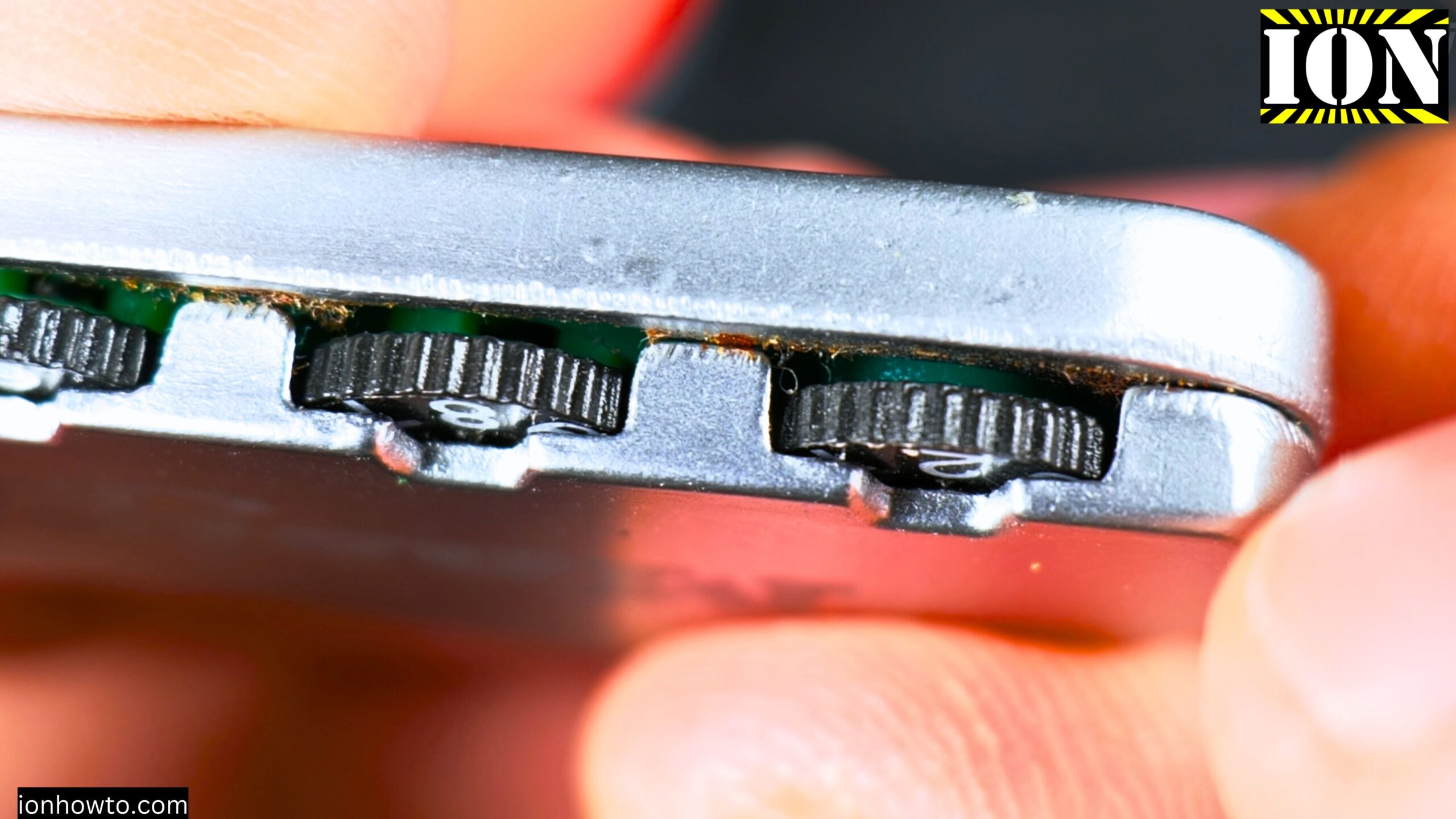
Each wheel has a small notch or gap in it. For the lock to open, all three of these gaps must line up perfectly.
When you set your own code, you are essentially telling the lock where those gaps should be. The trick is finding a way to see those gaps without knowing the original numbers.
The Step-by-Step Method to Find Your Code
Here is the life hack. You can often see the internal wheels by looking closely at the lock.
Step 1: Look for the Internal Wheels
Take your lock and find a spot where light passes through. This is usually on the side of the lock, near the number wheels.
- Shine a bright light through this spot. A phone flashlight works perfectly.
- Look closely inside. You should see the edges of the plastic code wheels. They might be a solid color (some are even colored green or white to make them easier to see).
- As you slowly turn one of the number dials, watch the corresponding wheel inside turn. Your goal is to find the gap or notch on each wheel.
Step 2: Align the Gaps to the Same Side
Once you’ve found the notch on each of the three internal wheels, you need to line them up. However, they are likely on the wrong side of the lock (the side you’re looking from).
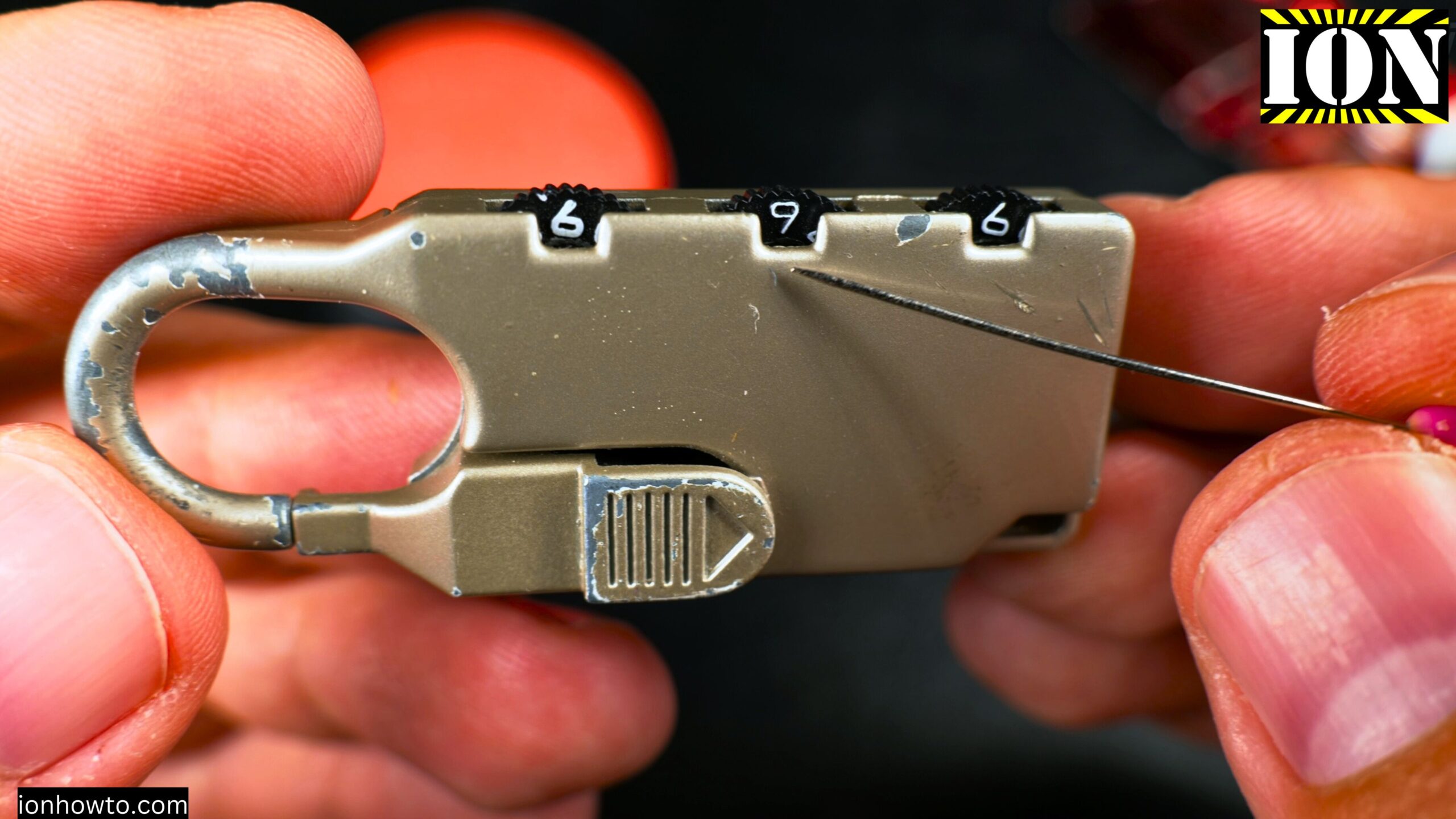
- The notches need to be on the opposite side to release the shackle (the U-shaped metal part).
- To move them, you will adjust all three number dials together, in the same direction.
- For example, if all your notches are currently visible, turn all three dials one number forward at the same time. Then check if the lock opens.
- If it doesn’t open, turn all three dials one number forward again. Keep doing this.
Why this works: You are keeping the internal wheels aligned with each other but rotating them as a set around the lock. Eventually, you will rotate the aligned notches into the correct position to open the lock. It usually takes less than 10 tries.
Step 3: Open the Lock and Set a New Code
- When the notches slide into the correct position, the shackle will release and the lock will pop open.
- The numbers now showing on the dials are not your new code. They are just a random alignment that opened the lock.
- To set a new, memorable code: With the shackle open, look for a small button or switch on the side or bottom of the lock. Press and hold it down (you might need a pen tip).
- While holding the button, set the dials to your desired new 3-digit code.
- Release the button. The new code is now set. Test it by closing the lock and trying your new combination.
Important Security and Travel Notes
- For Your Own Lock Only: This method is a fantastic self-help trick for when you forget your own combination. It highlights that these locks are a deterrent, not impenetrable security. Never use this method on luggage that isn’t yours.
- Airport Security: Most travel locks are TSA-approved. This means they have a special keyhole that allows airport security to open and inspect your luggage without breaking the lock. If you’re flying, using a TSA-approved lock can prevent your lock from being cut off.
- It Doesn’t Always Work: This method works on many common, inexpensive luggage locks. Higher-security padlocks with metal casings fully enclosing the mechanism will not allow you to see the internal wheels.
Now you can pack with a little more peace of mind. If your mind goes blank at the airport, you know there’s a good chance you can outsmart the lock and get back to your vacation.


Leave a Reply