
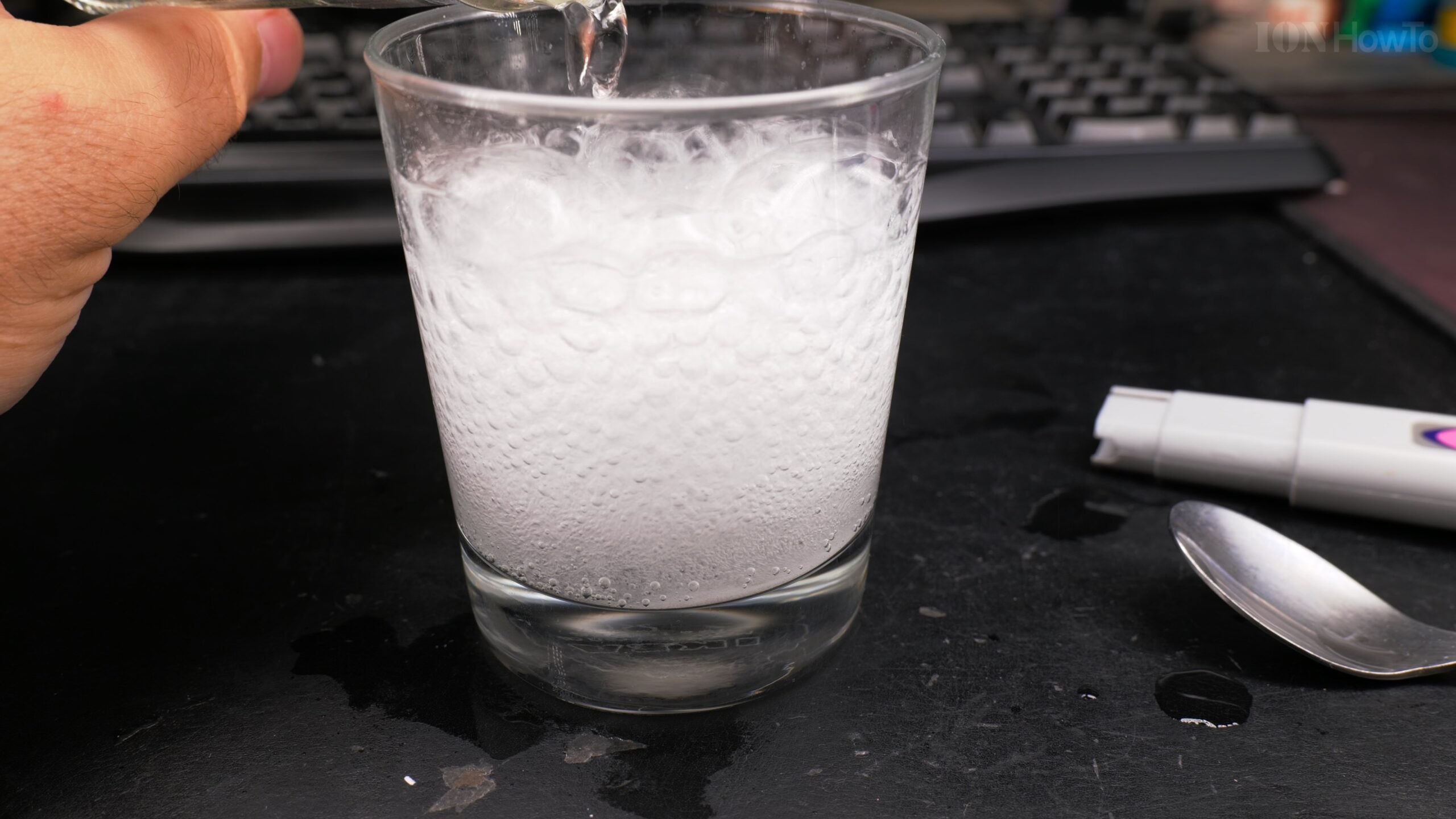
How to Adjust pH Level with Baking Soda and Citric Acid or Vinegar.
Learn how to raise or lower the pH level of water using simple, common ingredients. I’ll show you how to use baking soda to increase pH and citric acid (or vinegar) to decrease it. This is useful for gardening, hobby projects, or understanding basic chemistry.
What is pH and How Do These Ingredients Work?
pH is a scale from 0 to 14 that measures how acidic or basic (alkaline) a liquid is. Pure water is neutral at a pH of 7.
- Lower numbers (below 7) mean acidic. Lemon juice and vinegar are common acids.
- Higher numbers (above 7) mean basic or alkaline. Baking soda and soap are common bases.
Baking Soda (Sodium Bicarbonate): This is a mild base. Adding it to water will increase the pH, making the water less acidic and more alkaline.
Citric Acid or Vinegar: These are acids. Adding them to water will decrease the pH, making the water more acidic.
Important Safety Note: The Chemical Reaction
If you mix citric acid (or vinegar) directly with baking soda, you will get a strong fizzy reaction with lots of foam and bubbles. This is a neutralization reaction creating carbon dioxide gas.
For adjusting pH, always add your acid or base to the water separately. Do not combine the dry citric acid and baking soda powders directly with each other. Add one to your water solution, let it fully mix and settle, then test the pH before deciding to add more.
Step-by-Step Guide to Adjusting pH
You will need: a container of water, baking soda, citric acid powder (or white vinegar), a spoon for stirring, and a pH meter or test strips to measure.
To INCREASE pH (Make it More Alkaline):
- Test your starting pH. Use your meter or strips to check the pH of the plain water.
- Add a small amount of baking soda. Start with a quarter teaspoon per gallon of water (adjust for your volume). Stir well until it is completely dissolved.
- Wait for the solution to settle. Let it sit for a minute or two so any tiny bubbles from stirring disappear.
- Test the pH again. See how much the number increased.
- Repeat if needed. If the pH is still too low, add another small amount of baking soda, stir, wait, and test again. Go slowly to avoid overshooting your target.
To DECREASE pH (Make it More Acidic):
- Test your starting pH. Check the pH of your water.
- Add a small amount of citric acid. Start with a small pinch or a few crystals per gallon. If using vinegar, start with a teaspoon. Stir thoroughly until dissolved.
- Wait for the solution to settle.
- Test the pH again. See how much the number decreased.
- Repeat if needed. Add more acid in small increments, waiting and testing each time, until you reach your desired pH.
Tips for Success and Important Warnings
- Go Slow: It’s much easier to add a little more than to correct adding too much. Make small adjustments.
- Mix Thoroughly: Always stir well and wait for the water to become still before taking a measurement for an accurate reading.
- For Specific Uses (Pools, Fish Tanks, Gardens): While baking soda and citric acid demonstrate the principle, always consult an expert or pet store for the best and safest products to adjust pH in sensitive environments like swimming pools or aquariums. They can recommend specific chemicals that won’t harm your plants or fish.
- The Foam Test: If you add an acid to a solution and see instant fizzing and foam, it means there was still undissolved baking soda present. Wait for the reaction to finish completely before taking your pH reading.


Leave a Reply