
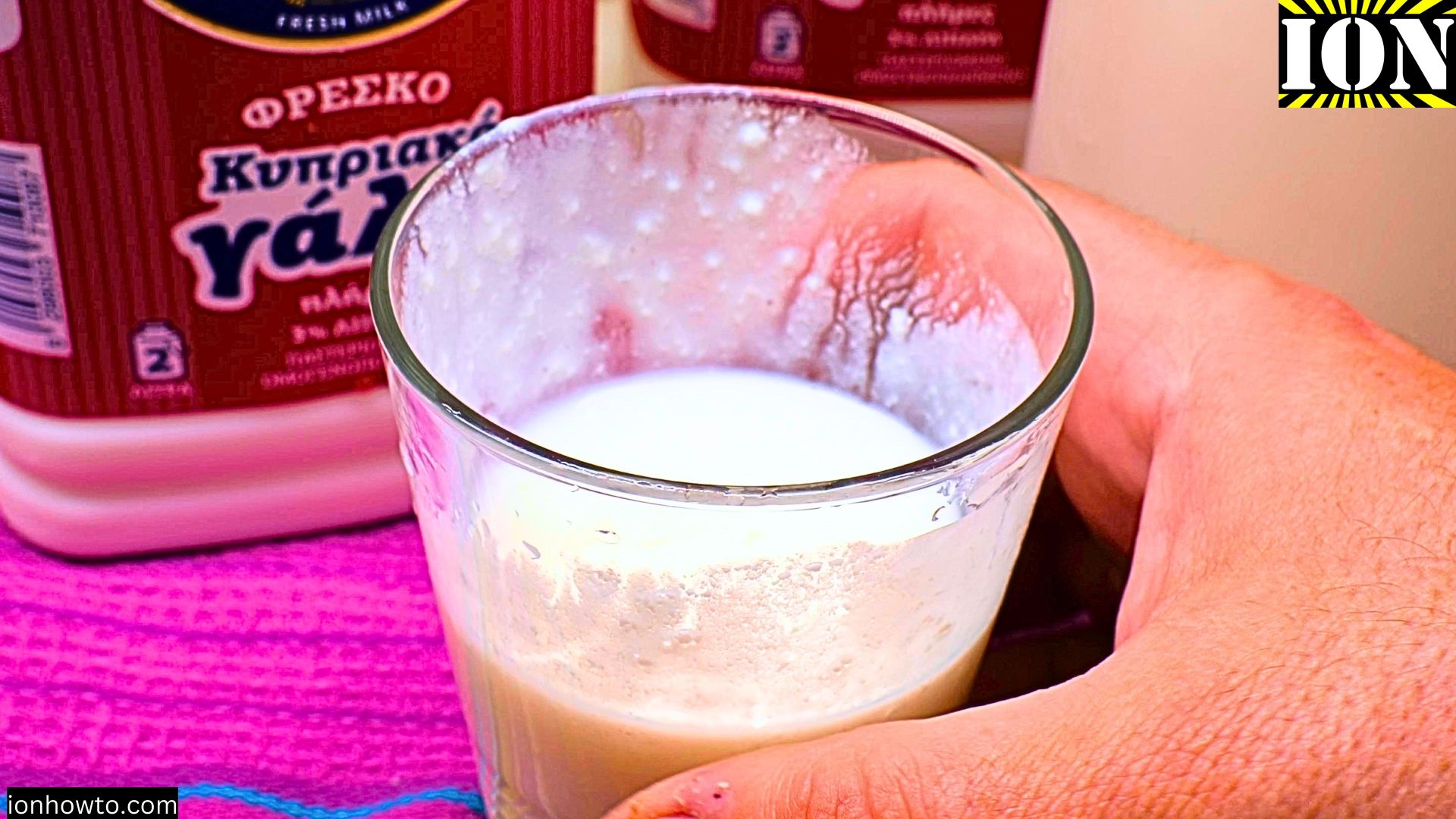
How to Make Kefir at Home Without Grains.
Learn how to make kefir at home. You don’t need special milk kefir grains to start. If you can buy a small bottle of plain, live kefir from the store, you can use it to make more. It’s easy, much cheaper than buying it ready-made, and you can keep making new batches indefinitely.
I’ll show you the steps using regular full-fat milk and a store-bought kefir starter.
Why This Method Works
Real kefir contains live cultures. When you add a little bit of this active kefir to fresh milk, those cultures start to multiply and ferment the new milk. In about two days, you turn plain milk into a fresh batch of kefir. You can then use a bit of that batch to start the next one, and so on.
What You’ll Need
- Fresh Milk: Full-fat milk (3% or 3.5% fat) works best. Avoid long-life (UHT) milk that doesn’t need refrigeration. Fresh, pasteurized milk is perfect.
- Kefir Starter: A small bottle of plain, live kefir from the supermarket. Check the label for “lactic cultures” or “kefir cultures.” A short expiration date is a good sign it contains live bacteria.
- A Clean Jar or Bottle: A glass bottle or jar with a lid is ideal.
- Time: About 48 hours (2 days).
Step 1: Prepare Your Milk
Start with your bottle of fresh milk. You don’t need to heat it or do anything special. Just make a little space in the bottle for the kefir starter you’re about to add.
- Pour out (and drink!) a small amount of milk from the top of the bottle. You only need to remove about 2-3 tablespoons to make room.
Step 2: Add the Kefir Starter
This is the magic step. You only need a very small amount of store-bought kefir to begin the fermentation.
- Add about 1-2 tablespoons of your live, plain kefir into the milk bottle. You don’t need more than that.
- The more starter you add, the faster the process, but even a small amount will work.
Step 3: Mix and Let It Sit
- Put the lid back on the bottle and shake it gently to mix the kefir starter throughout the milk.
- Do not tighten the lid all the way. Leave it slightly loose. This allows gases produced during fermentation to escape.
- Place the bottle at room temperature, out of direct sunlight.
Step 4: Wait and Shake (Once a Day)
- Let the bottle sit for about 48 hours. The total time depends on the temperature of your room.
- Warmer room (above 22°C/72°F): It might be ready in 1.5 to 2 days.
- Cooler room (below 20°C/68°F): It may take 3 or even 4 days.
- Once a day, give the bottle a gentle shake. This helps keep the mixture smooth and prevents it from separating into thick curds and whey too early.
Step 5: Check If It’s Ready
After 2 days, check your kefir.
- It should look thicker than milk, with a creamy, slightly gelatinous consistency.
- You might see small bubbles, which is a great sign of active fermentation.
- When you tilt the bottle, the mixture should move slowly, not like liquid milk.
- The taste should be tangy and slightly sour, not sweet.
If it still looks like milk, let it sit for another 12-24 hours and check again.
Step 6: Store and Enjoy
- Once your kefir is ready, tighten the lid and place it in the refrigerator. The cold will slow down the fermentation.
- Your homemade kefir is now ready to drink! Enjoy it plain, or mix in some fruit, jam, or honey.
- To make your next batch: Simply save 2 tablespoons of your fresh homemade kefir. Add it to a new bottle of fresh milk, and repeat the process from Step 1.
Tips for Success
- Use full-fat milk for the creamiest, best-textured kefir.
- Always start with a live, plain kefir as your starter. Flavored kefirs often have added sugars and stabilizers that can interfere.
- If you want tangier kefir, let it ferment at room temperature for an extra half-day or day before refrigerating.
- If you see a clear yellowish liquid (whey) separating, don’t worry. Just shake the bottle to mix it back in. It’s a normal part of the process.
Making kefir at home is that simple. You skip the need to find and care for grains, and you get a continuous supply of healthy, probiotic-rich kefir for just the cost of milk.


Leave a Reply