
Philips Eye Comfort LED Bulbs: Hands-On Test & Comparison
Learn how the new Philips Eye Comfort LED bulbs stack up against the older CorePro models. If you’re looking for a bright, classic-style LED bulb, I’ll show you what to expect from the “150W equivalent” Eye Comfort model and compare it directly to lower-wattage options.
What Are Philips Eye Comfort Bulbs?
Philips Eye Comfort LED bulbs are designed to look just like old-fashioned incandescent bulbs, but they use modern LED technology inside. The key feature is their use of LED filaments – those glowing lines you see inside the glass – which are supposed to give off a warm, pleasant light that’s easy on your eyes.
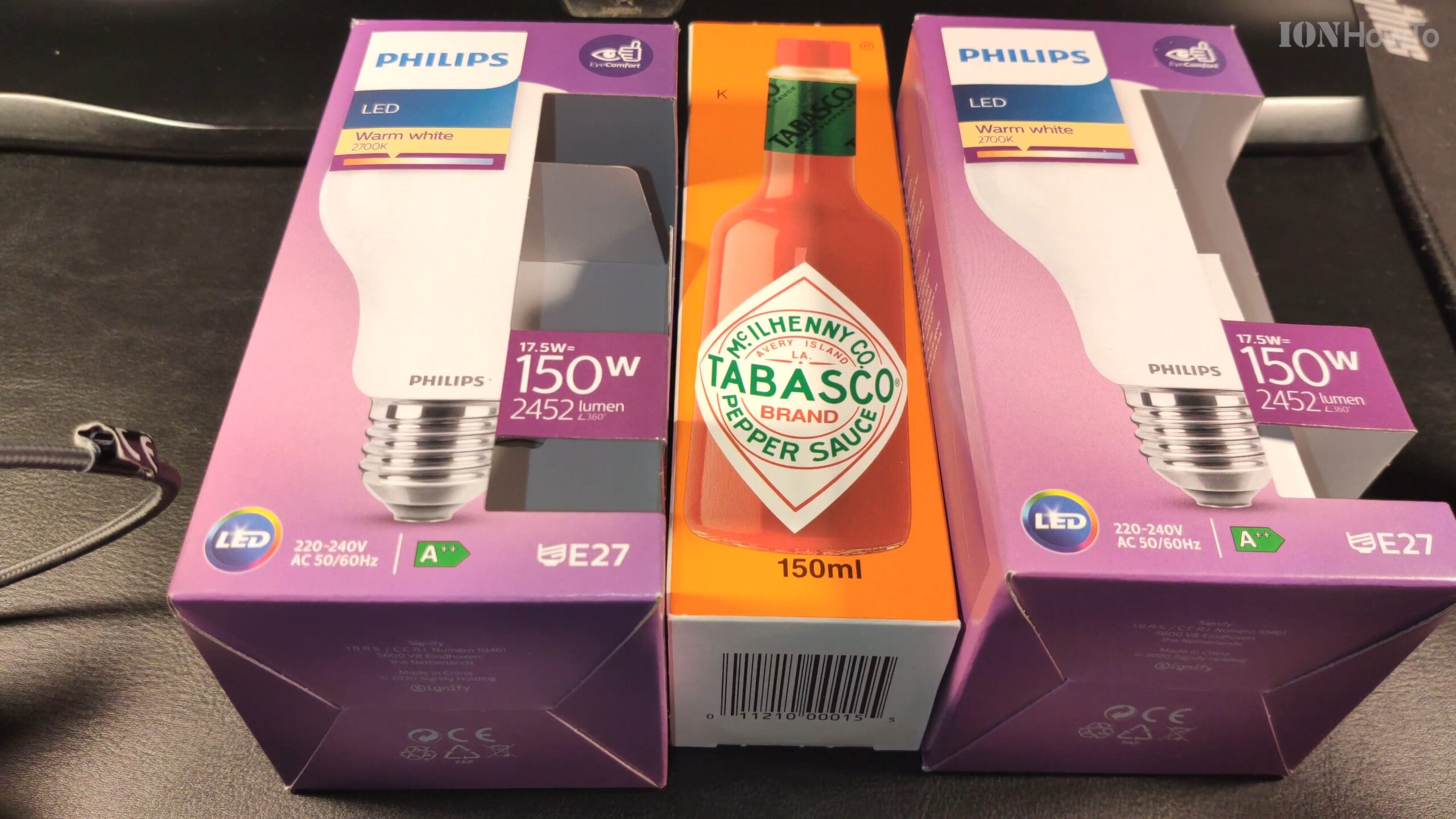
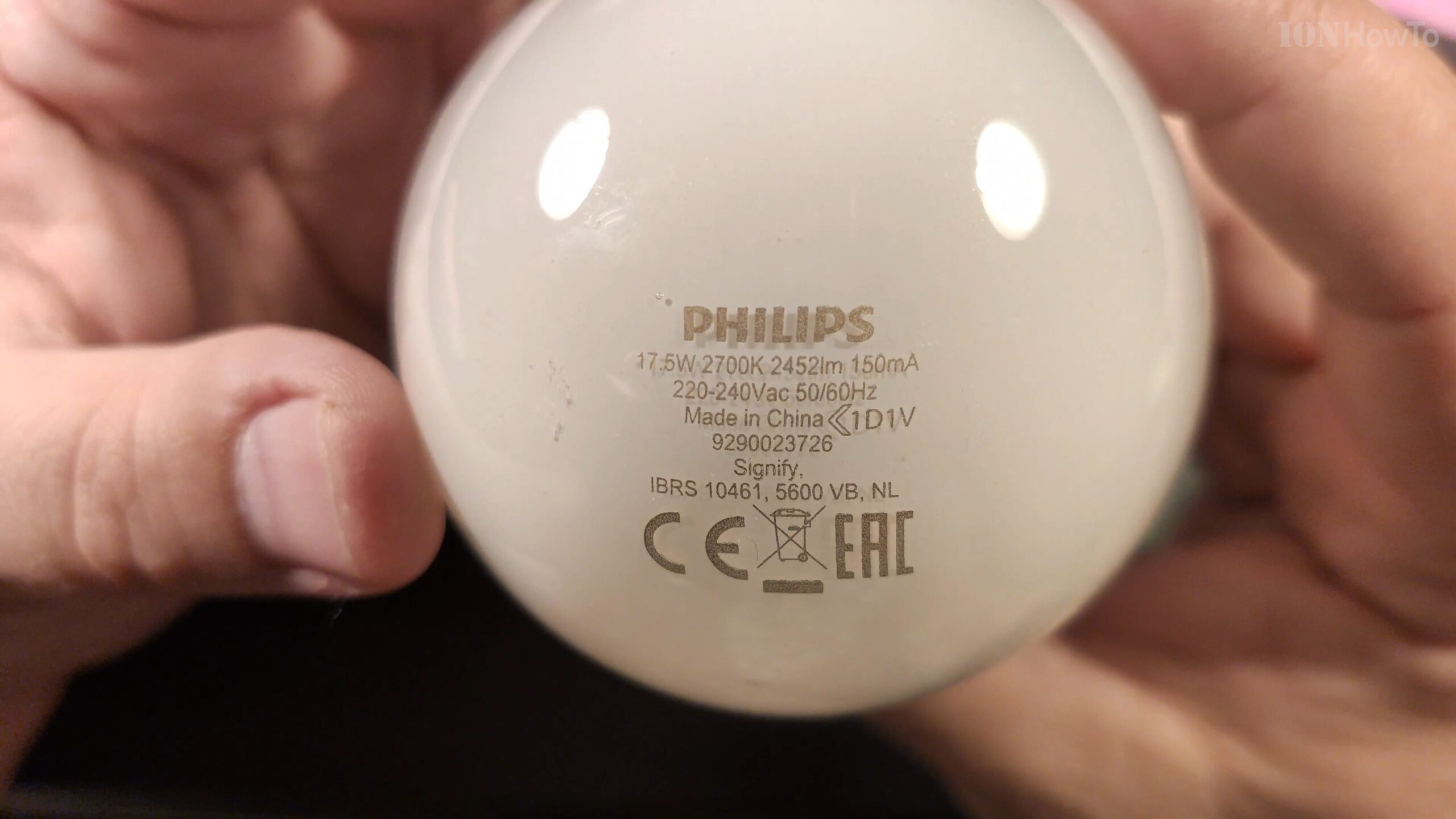
I tested the 150W equivalent model. Here are its specifications:
- Rated Power: 17.5 Watts
- Brightness: 2452 Lumens
- Color Temperature: 2700K (Warm White)
- Color Rendering Index (CRI): 80+
- Base: Standard E27 screw
- Material: Frosted glass bulb
- Feature: Non-dimmable, flicker-free
- Product Code: LED classic 150W A67 E27 WW FR NDRFSRT4
Eye Comfort vs. CorePro: A Side-by-Side Look
I compared the new 17.5W Eye Comfort bulb with two older Philips CorePro LEDs I had on hand: a 5.5W model and an 8W model.
Here is a quick breakdown of the main differences:
| Feature | Philips Eye Comfort (17.5W) | Philips CorePro (5.5W & 8W) |
|---|---|---|
| Brightness | Very High (2452 lm). Over twice as bright as the 8W CorePro. | Moderate. Good for general room lighting. |
| Design | Classic glass bulb with visible LED filaments. Looks like an old incandescent. | Modern, plastic dome design. No visible filaments. |
| Light Quality | Warm, diffuse light with a CRI of 80+. Good for accurate colors. | Good light quality, but a different, more modern look. |
| Durability | Glass construction is more fragile if dropped. | Plastic construction is more durable and shatter-resistant. |
| Noise | Produces a faint electrical buzzing sound when on, especially noticeable up close. | Very quiet operation in my tests. |
| Use Case | Best for desk lamps, pendants, or fixtures where you want a vintage look and need a lot of light. | Great for ceilings fixtures and enclosed lamps where durability and quiet operation are key. |
Who Should Buy the Philips Eye Comfort Bulb?
The Eye Comfort bulb is a great choice for specific situations:
- If you want a vintage aesthetic: The clear glass and filament design looks beautiful in exposed-bulb fixtures.
- If you need a lot of warm light: At 2452 lumens, it’s incredibly bright and perfect for a desk lamp for detailed work or a large pendant light over a table.
- If you care about color quality: The 80+ CRI means colors in your room will look more natural and accurate than with a basic bulb.
Who Might Want to Stick with CorePro or Other Models?
Consider a different bulb in these cases:
- If you need a quiet bulb: The slight buzzing from the Eye Comfort bulb might be annoying in a very quiet room or if it’s near your head on a desk.
- If durability is your top concern: The all-plastic CorePro bulbs are much less likely to break if knocked over.
- If you don’t need extreme brightness: The 5.5W or 8W CorePro models use less energy and provide plenty of light for most lamps and ceiling fixtures.
Final Verdict and Recommendation
The Philips Eye Comfort LED is a fantastic bulb for the right job. It delivers on its promise of a classic look with very bright, high-quality warm light. The buzzing is a minor downside, and the glass body requires careful handling.
My simple advice:
- For a stylish desk lamp, reading light, or decorative fixture: The Eye Comfort bulb is an excellent pick.
- For kids’ rooms, ceiling fans, or any fixture where it might get bumped: A CorePro or other plastic LED bulb is the safer, quieter choice.
It’s all about matching the bulb to your specific need. For sheer brightness and classic charm, the Eye Comfort bulb is hard to beat.


Leave a Reply