

Homemade kvass is delicious. This recipe follows the authentic Russian method without added yeast, resulting in a naturally fermented beverage with minimal alcohol content.
What is Kvass?
Kvass is a traditional fermented Russian beverage made from rye bread. It’s known for its unique, slightly sour taste and refreshing properties. Think of it as a bread-based kombucha with a rich history dating back centuries in Eastern European cuisine.
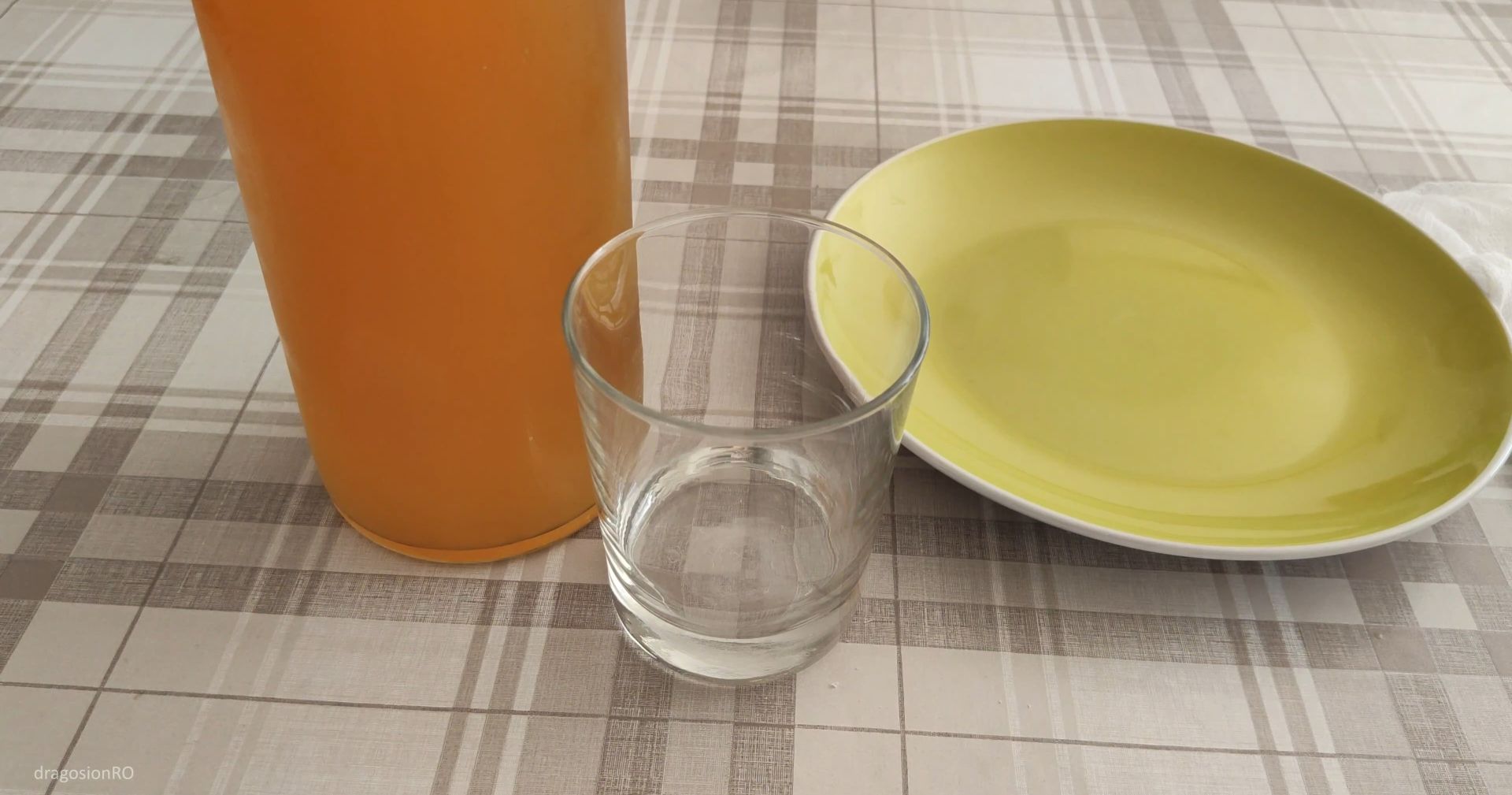
Quick Steps and Scenarios Overview
| What You Need to Do | Quick Jump |
|---|---|
| What is Kvass? | Jump to Step 1 |
| Why Make Kvass at Home? | Jump to Step 2 |
| Required Equipment | Jump to Step 3 |
| Ingredients | Jump to Step 4 |
| Step-by-Step Instructions | Jump to Step 5 |
| Storage and Serving | Jump to Step 6 |
Why Make Kvass at Home?
- Complete control over sweetness and fermentation
- No artificial ingredients or preservatives
- Cost-effective compared to store-bought versions
- Perfect summer refreshment
- Connection to traditional food culture
Required Equipment
- Large pot (at least 5 liters)
- Cheesecloth or fine strainer
- Glass bottles for storage
- Mixing spoon
- Large bowl
Ingredients
- 1 loaf of dark rye bread (preferably slightly stale)
- 5 liters of water
- 1-2 Table Spoons of sugar
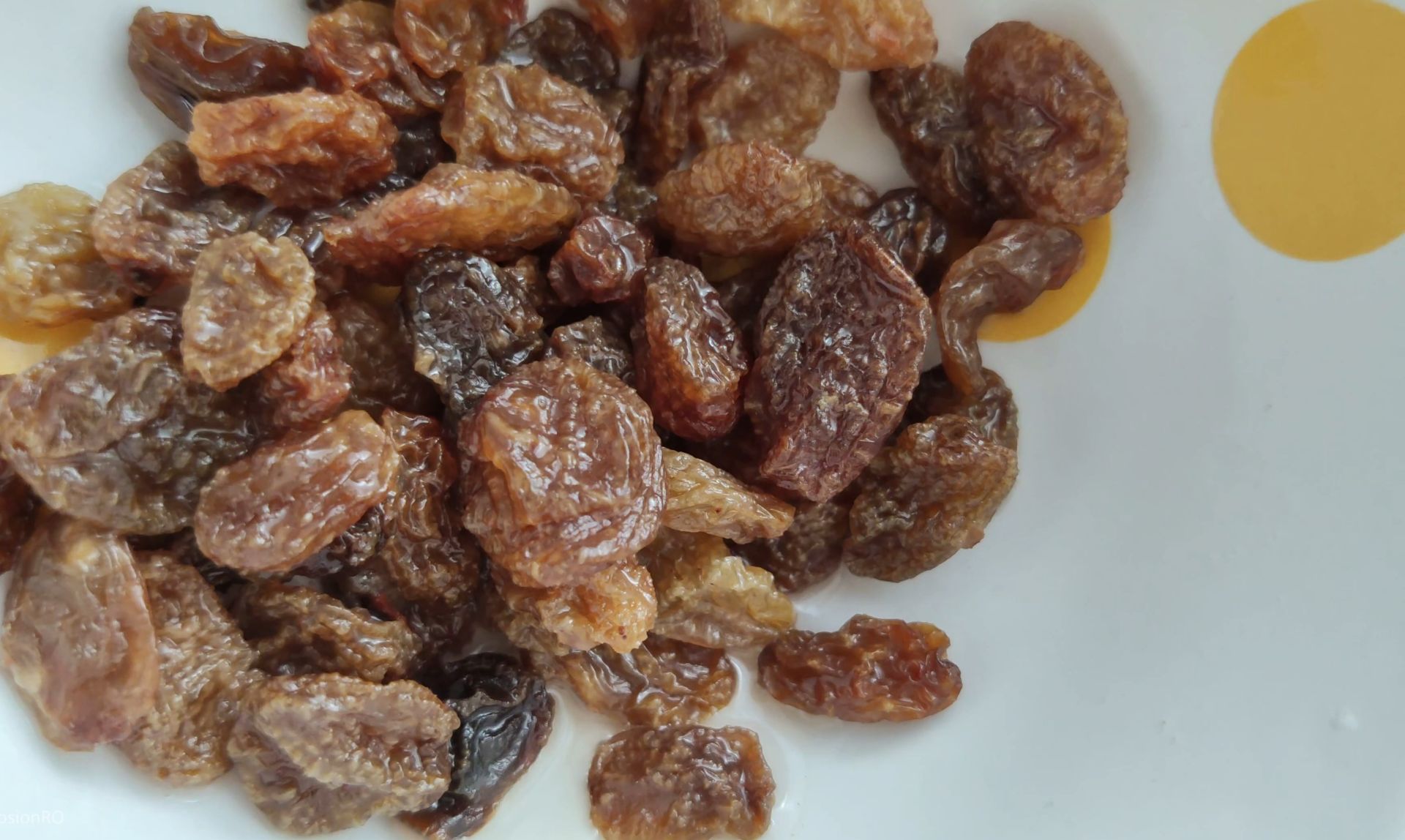
- 10-15 raisins
Step-by-Step Instructions
Day 1: Preparation
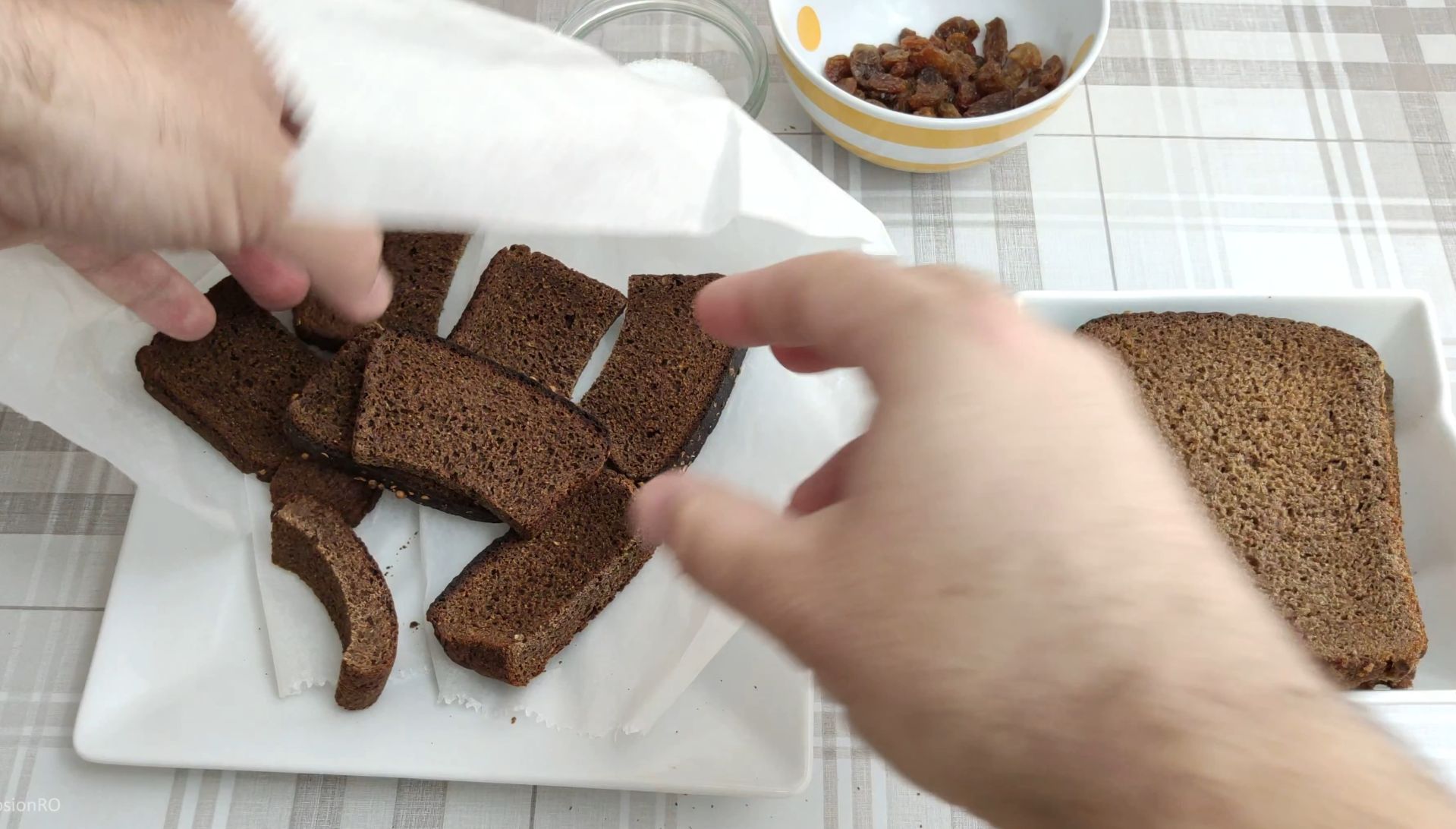
- Cut the rye bread into thick slices
- Toast the bread in the oven until dark brown (but not burnt)
- Bring water to a boil in a large pot
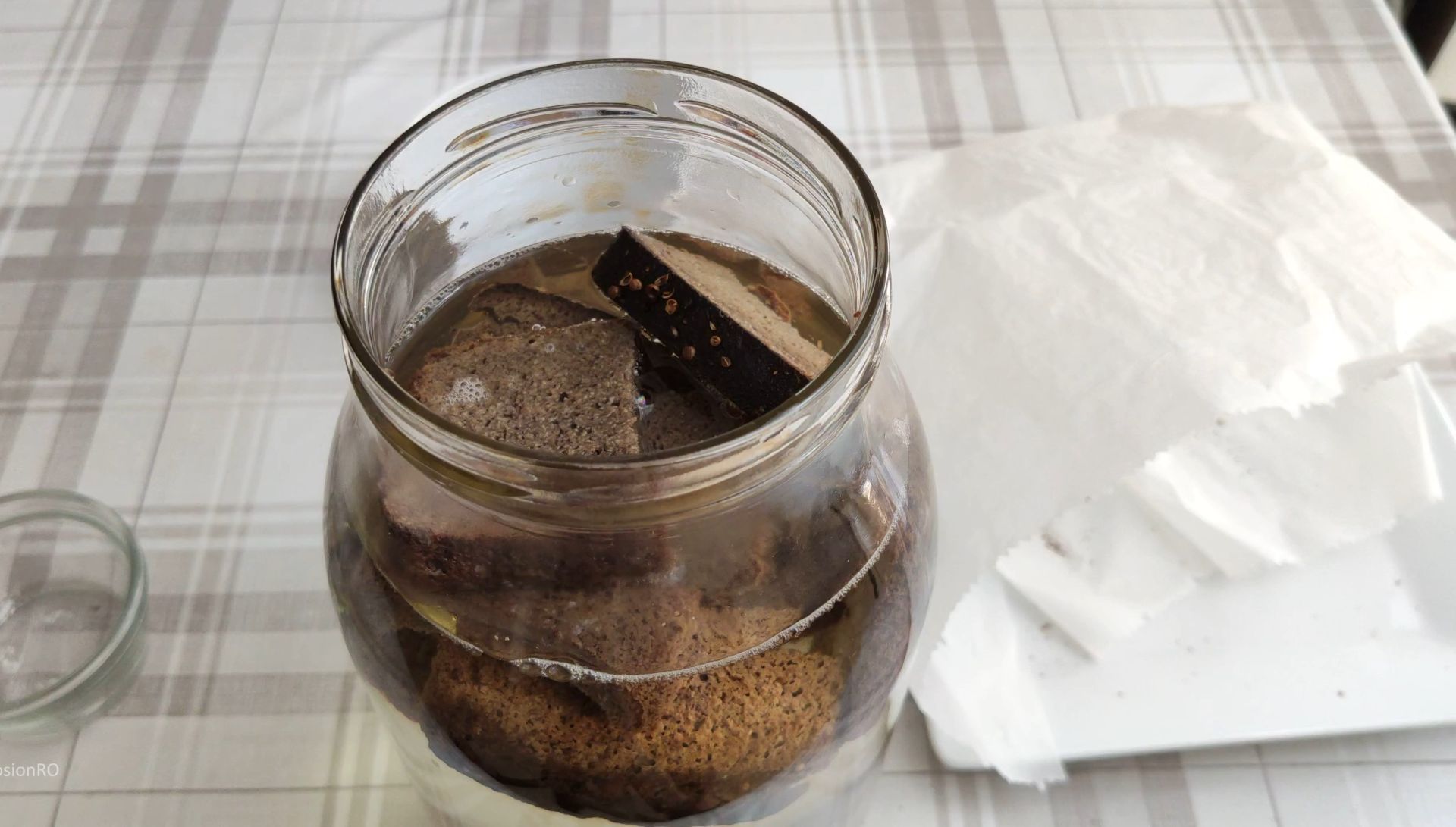
- Add the toasted bread to the water
- Remove from heat and let it steep for 8-12 hours
Day 2: Fermentation
- Strain the liquid through cheesecloth
- Add raisins and sugar
- Pour into clean bottles, leaving some space
- Keep at room temperature for 24-48 hours
Storage and Serving
- Store in the refrigerator after fermentation
- Best consumed within 7 days
- Serve chilled
- Can be used as a base for summer smoothies
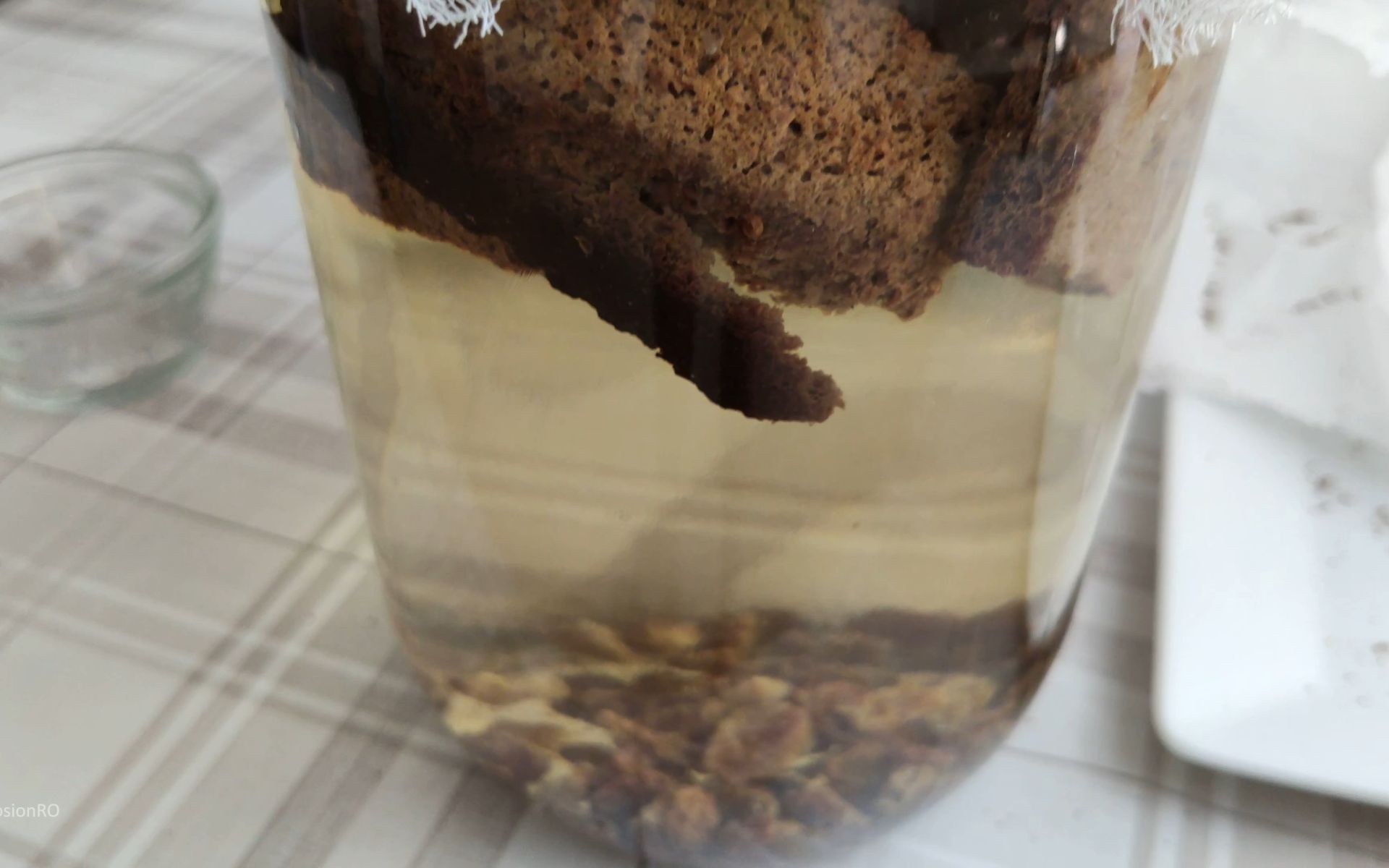
Tips
- Don’t exceed the 48-hour fermentation time at room temperature to keep alcohol content minimal
- The darker the rye bread, the richer the flavor
- Don’t use too much sugar.
- Clean bottles thoroughly before use to prevent unwanted fermentation
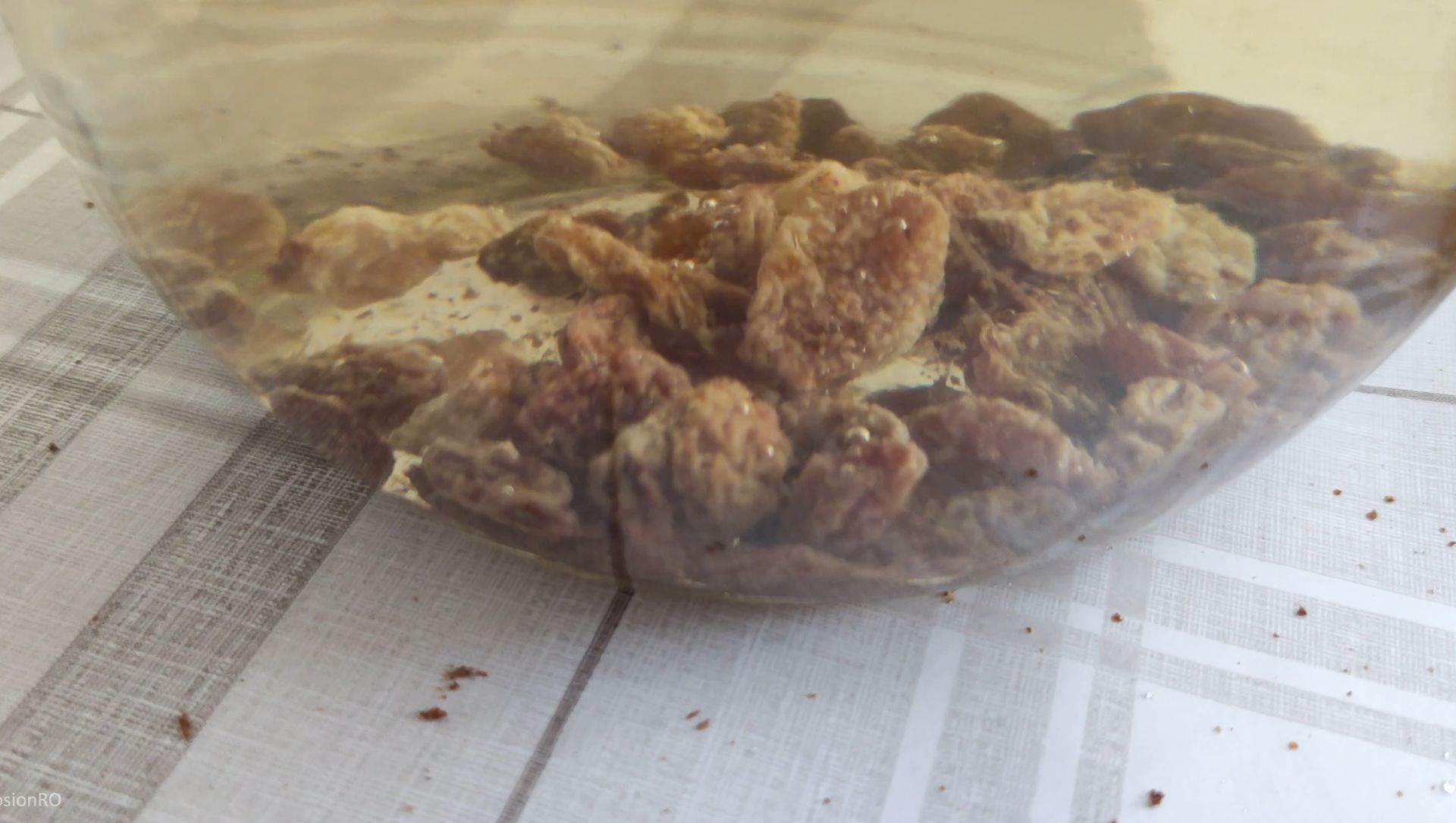
Troubleshooting
- Too sour for your taste? Add more sugar
- Too sweet? Use less sugar next time or let it ferment a few more hours
- Not fizzy enough? Add a some more raisins
- Too thick? Add more water when straining
Health and Safety Notes
- Keep all equipment clean and sanitized
- Although alcohol content is minimal, be aware that natural fermentation produces trace amounts
- Not recommended for those with gluten sensitivity (rye bread)
- Store in the refrigerator after initial fermentation to slow the fermentation process.
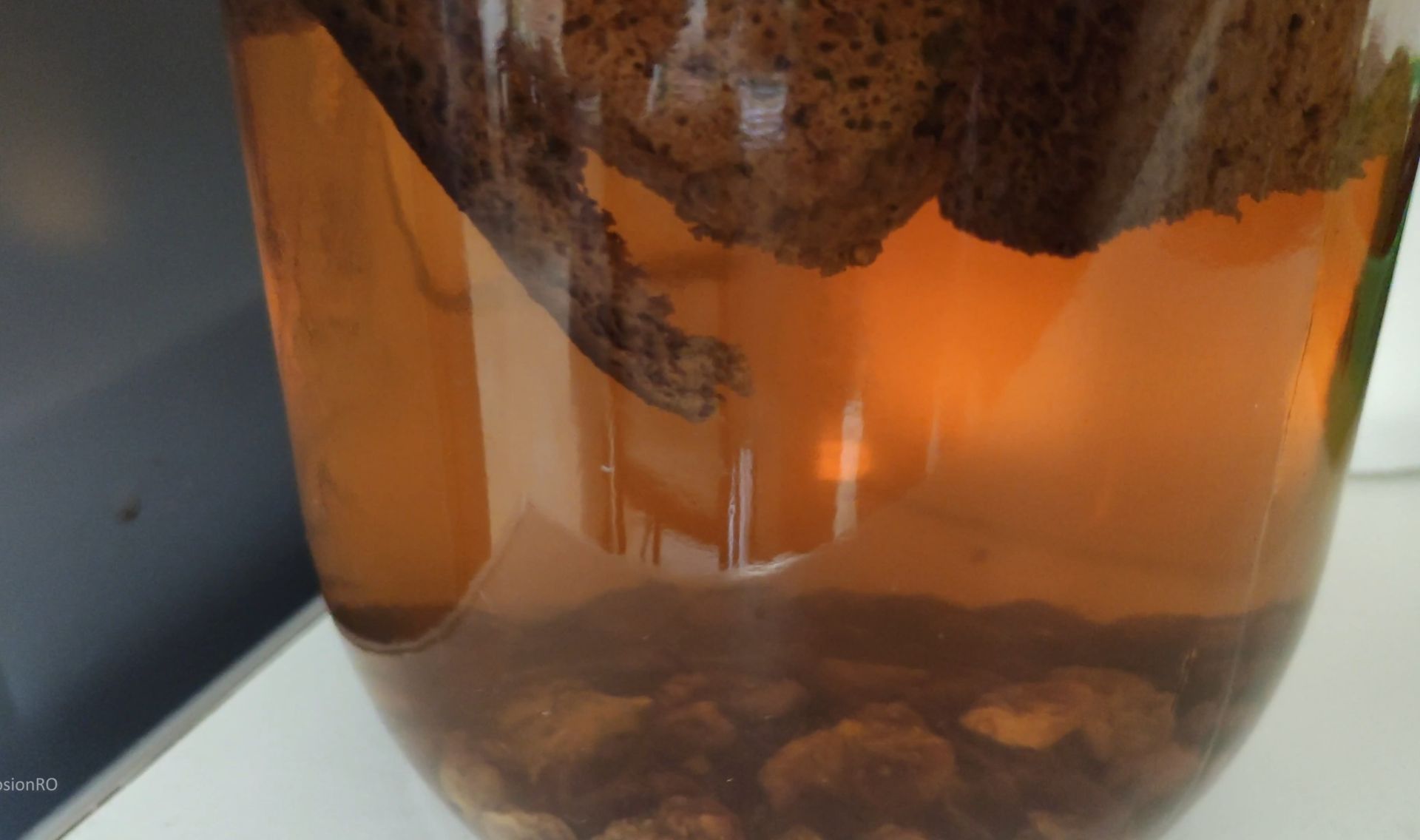
Making kvass is part science and part art – don’t be afraid to adjust the recipe to your taste preferences. The beauty of homemade kvass is that each batch can be customized to your taste.
This traditional method produces a healthier, more authentic version of kvass compared to commercial varieties, and the process gets easier with practice. Enjoy your homemade Russian kvass!
Helpful Tips
Check all labels, connections, and power ratings before starting so everything fits safely and securely. If any detail looks slightly different on your model, pause the embedded video above for a clear closeup view.
Related Guides
- iPhone How to Show App Labels Customize Home Screen – If the names beneath your iPhone app icons disappeared after updating, your icons were switched to the large view.
- How to Hide and Unhide Apps on iPad Home Screen – If you want a tidy iPad screen without rarely used apps crowding your wallpaper, you can hide them in your App Library.
- 10Gb SFP+ Fiber LAN Home Network Setup Guide – If your standard gigabit network is slowing down large file transfers, an optical fiber network offers blazing 10-gigabit speeds.
- 10GB Fiber Home Network – Browse more tutorials and practical guides in this section.


Leave a Reply