
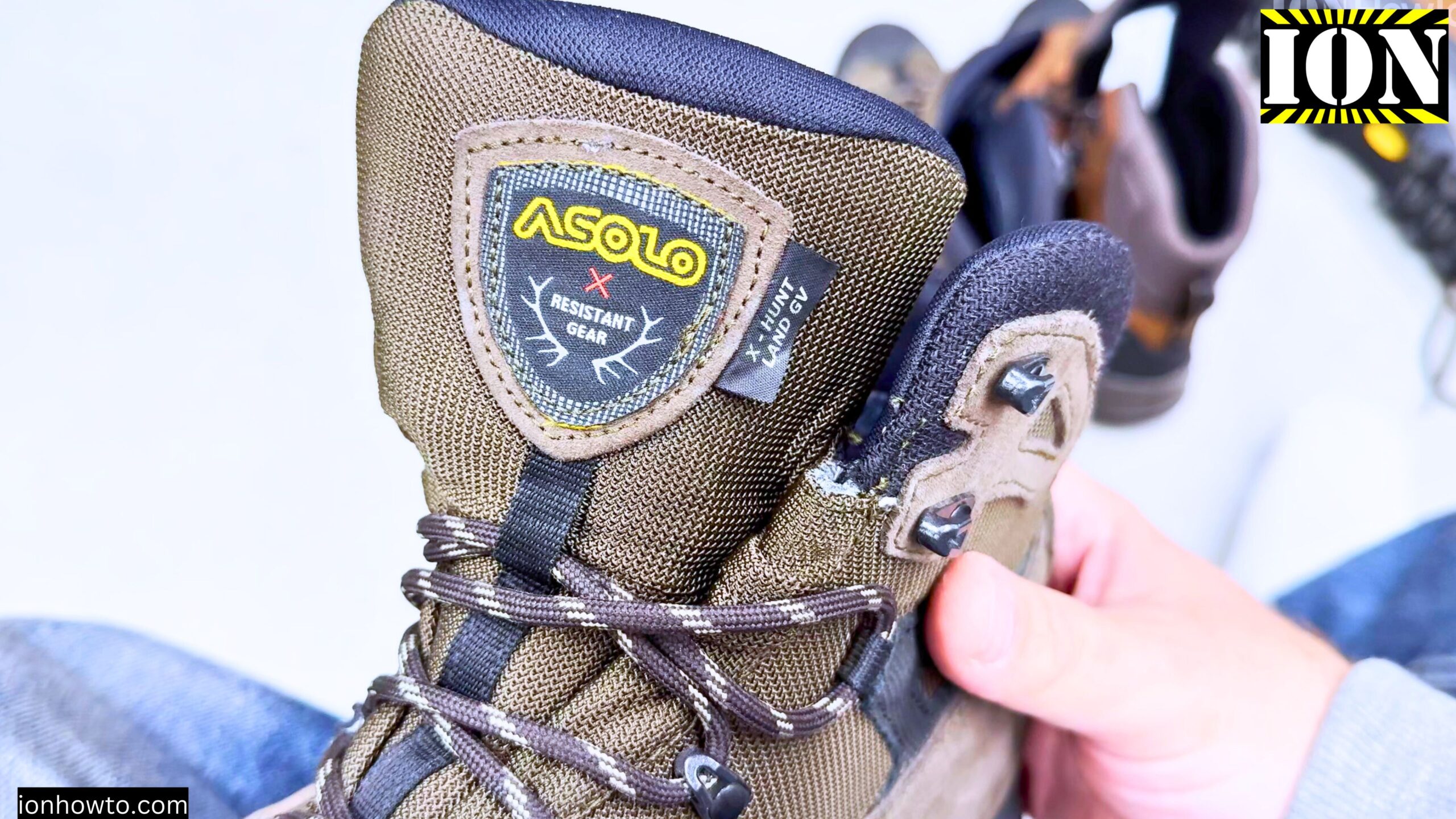
How to Fix Your Hiking Boots with E6000 Glue or B7000 glue. They Will both work very similar.
Has your favorite pair of hiking boots started to come apart? Don’t throw them out just yet. A strong, flexible glue like E6000 can often give them a second life. I’ll show you how to glue your boots properly so you can get more miles out of them.
I used this method on my own Salomon winter walking boots after a regular glue failed. The E6000 held up perfectly.
Why E6000 Glue Works for Boots
E6000 is a great choice for shoe repair because of two main things:
- It’s strong: It creates a very tough bond.
- It stays flexible: Unlike some glues that dry hard and brittle, E6000 stays slightly elastic. This is key for shoes that bend and flex with every step. A stiff glue would just crack again.
What You’ll Need to Get Started
Here is what you should have ready:
- E6000 Glue (or a similar adhesive like B-7000 or T-7000).
- Rubbing alcohol or nail polish remover.
- Cotton swabs or a clean cloth.
- Toothpicks or a small stick for applying.
- Clamps, heavy books, or strong rubber bands to hold the shoe together.
- A well-ventilated workspace. Open a window or work outside. The fumes are strong.
The Steps to Glue Your Boots
Follow these steps carefully for the best chance of success.
Step 1: Clean the Surfaces
This is the most important step for a strong bond. You must remove all dirt, oils, and old glue.
- Peel back the sole or separated part carefully.
- Dip a cotton swab in rubbing alcohol.
- Scrub inside the gap and on both surfaces you will glue. Let it air dry completely.
Step 2: Apply the Glue
Less is more. You want a thin, even layer.
- Cut a small opening in the glue tube nozzle.
- Apply a thin bead of E6000 along one side of the separation. Use a toothpick to spread it into a thin, even layer if needed.
- Do not use too much. Excess glue will just squeeze out and make a mess.
Step 3: Clamp and Shape
You need constant pressure while the glue sets.
- Press the glued surfaces together firmly.
- Immediately wipe away any glue that squeezes out with a dry cloth.
- Use your clamps, rubber bands, or heavy books to hold the boot tightly together. Make sure the sole is aligned correctly with the upper.
Step 4: The Long Wait (Curing Time)
This is the hardest part. You must be patient.
- Initial Set: The glue will feel dry to the touch in about 10 minutes. Do not test it.
- Full Cure: E6000 reaches maximum strength after 24 to 72 hours. For the stress of walking, I recommend waiting at least 3 full days. For my boots, I left them untouched for a full week to be absolutely sure.
After this curing time, your boots should be ready for action again.
A Quick Note on Different Glue Types
You might see other glues like B-7000, T-7000, or B-6000. These are all similar industrial-strength adhesives. They are all good for this job, with slight differences in thickness and flexibility. E6000 is the most common and a reliable choice for shoe repair.
Fixing boots with glue is a simple project that can save you money and keep a trusted pair of shoes on the trail. Just remember the key points: clean it perfectly, clamp it tightly, and have the patience to let it cure completely.


Leave a Reply