
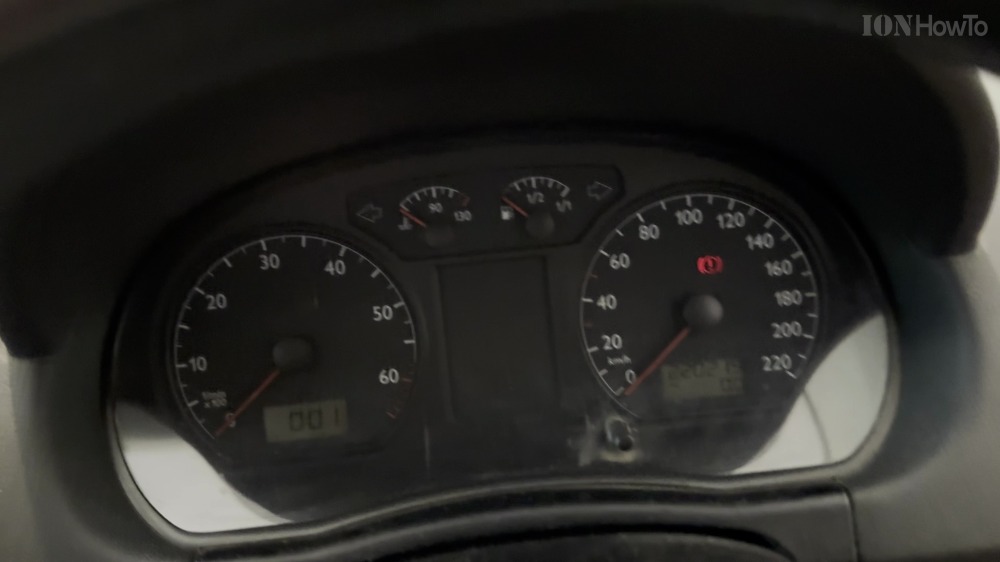
If your car battery dies in a parking lot and you don’t have jumper cables or another car nearby, an 18V cordless drill battery can save the day. I’ll show you how to safely transfer temporary charge to your car battery to crank the engine.
1. Check Voltage Compatibility
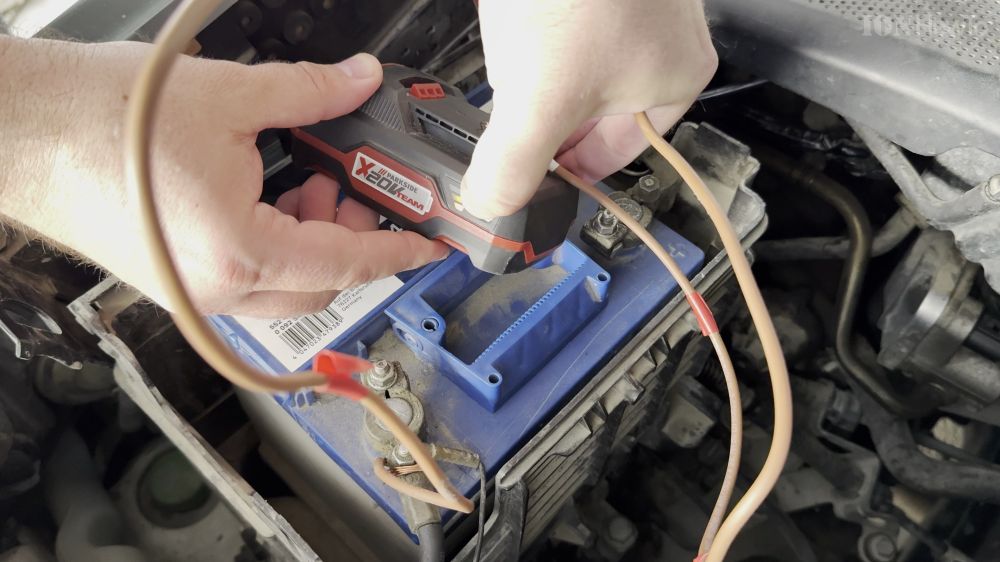
Ensure your cordless tool battery is 18V to 20V lithium-ion and fully charged.
2. Identify Positive and Negative Terminals
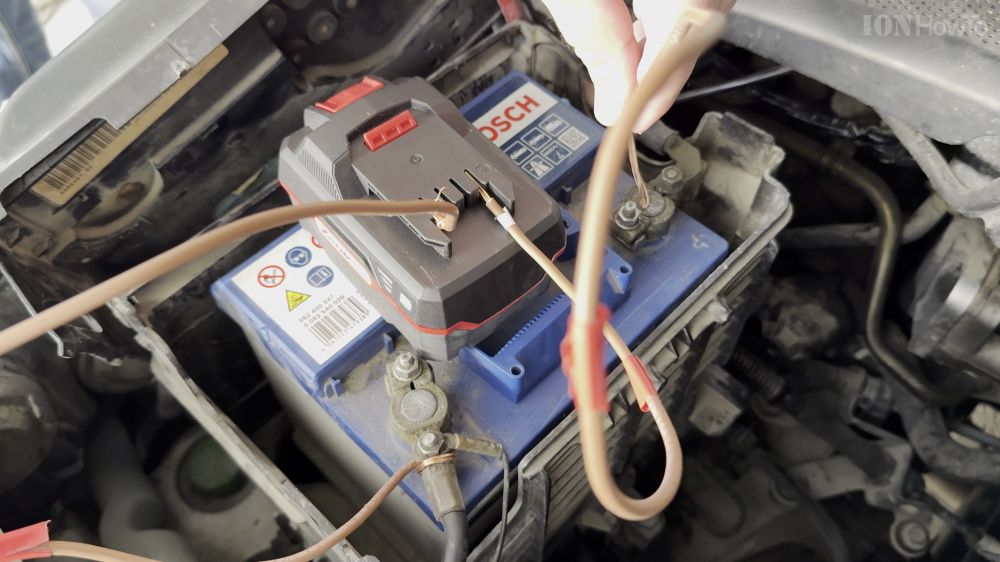
Carefully check the markings on both your tool battery and your car battery: red is positive (**+**) and black is negative (**-**).
3. Connect the Terminals for 3 to 5 Minutes
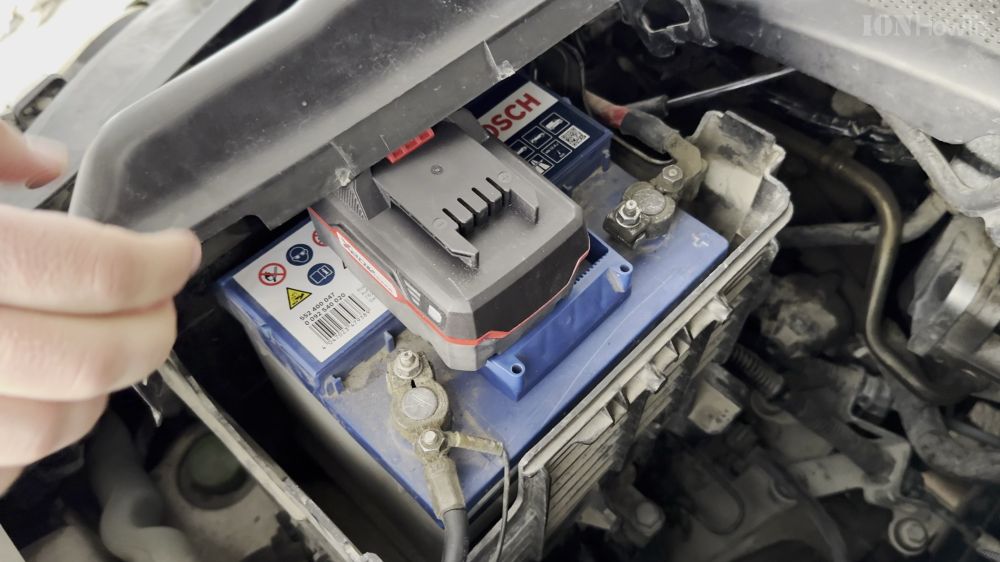
Securely connect insulated jumper leads between matching terminals. Let the drill battery trickle charge the car battery for 3 to 5 minutes rather than cranking instantly.
4. Disconnect Leads and Start Your Car
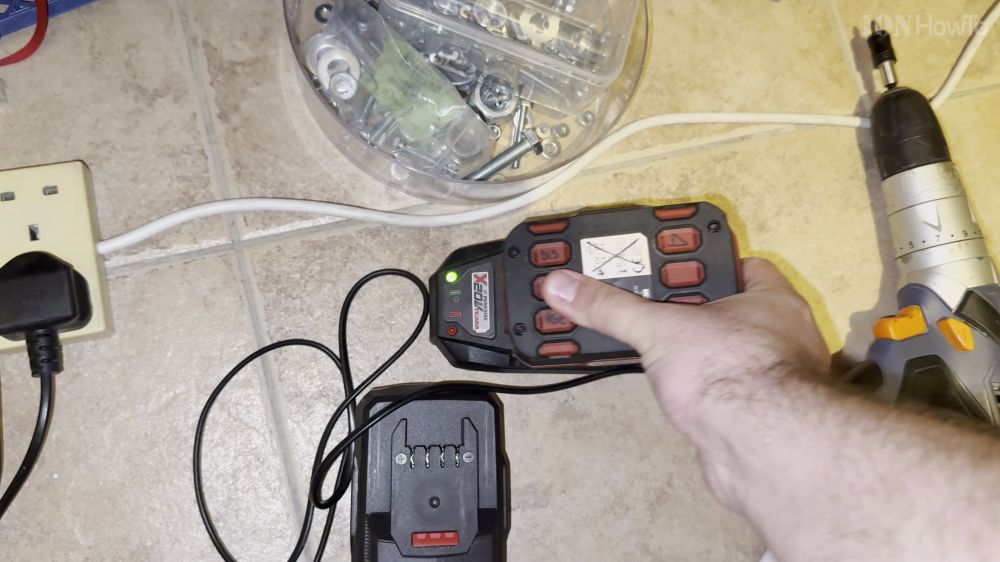
Remove the tool battery wires completely before turning the key. Crank the engine, and the car will start immediately.
Helpful Tips
Never crank the starter while the small tool battery is directly attached; allowing it to transfer charge for a few minutes first prevents damaging the lithium pack. For more practical workshop tips, explore our Hardware hub.


Leave a Reply