

One of the leads on my cheap Lidl multimeter broke, and new leads from Leroy Merlin cost me about 6 euro. That is a good deal when the whole multimeter was 15 to 17 euro. Here is how the Lexman LX-M-1000-01 set compares with the original leads, and the one thing that stopped my first continuity test from working.
What you will do
- Look through the box and the manual
- Slide the plastic caps off the probe tips
- Plug black into COM and red into the volts/ohms socket
- Run a continuity test
Recommended Amazon Gear and Accessories
Disclosure: This article contains Amazon affiliate links. As an Amazon Associate, I earn from qualifying purchases at no extra cost to you.
- Multimeter Test Leads
- Digital Multimeter
- Alligator Clip Test Leads
- Multimeter Carry Case
- Non-Contact Voltage Tester
Old leads vs the Lexman set
- Original Lidl leads: CAT II 600V, 10A, 20AWG cable.
- Lexman LX-M-1000-01: CAT III 1000V, 10A, thicker 18AWG cable.
- Plugs: standard banana plugs on both, so they swap without tools.
- Warranty on the Lexman set: five years.
1. Look through the box and the manual
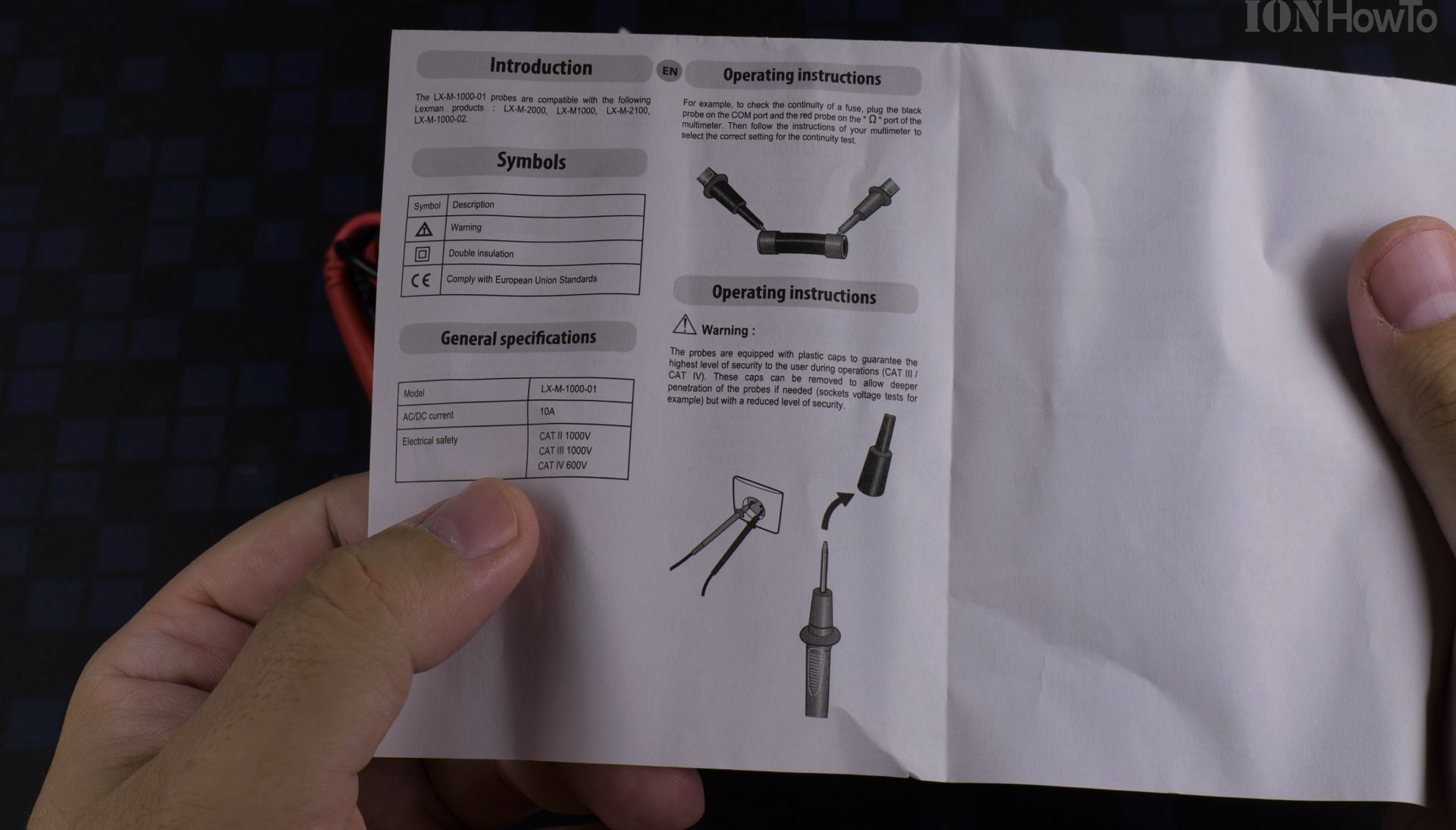
Inside are a red and a black lead and a manual printed in many languages. The manual lists the safety symbols and the 10 amp limit, so you know what the leads are rated for before you use them.
2. Slide the plastic caps off the probe tips
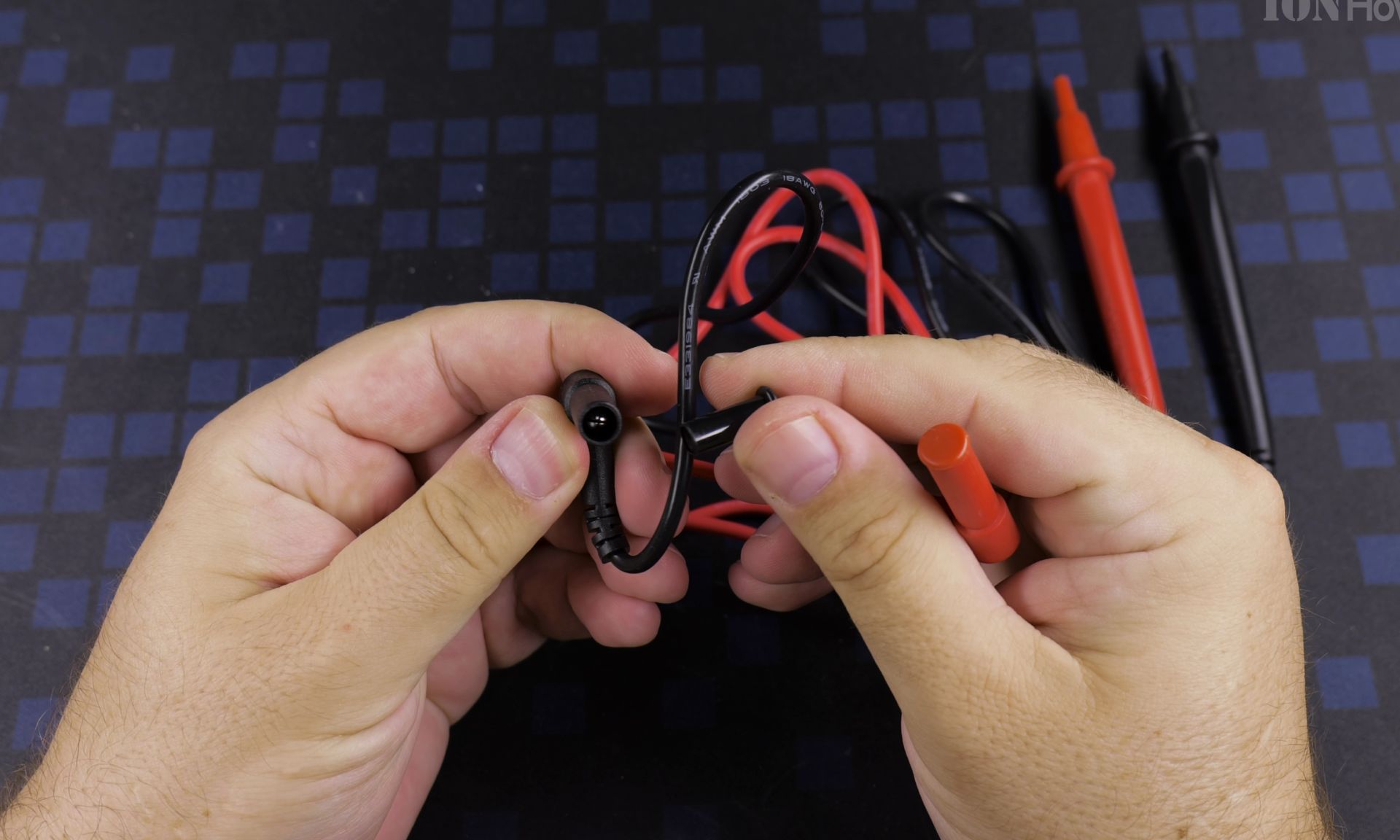
The tips ship with plastic caps on. I spent a while wondering why nothing touched properly before I noticed them. Pull them straight off and keep them for storage.
3. Plug black into COM and red into the volts/ohms socket
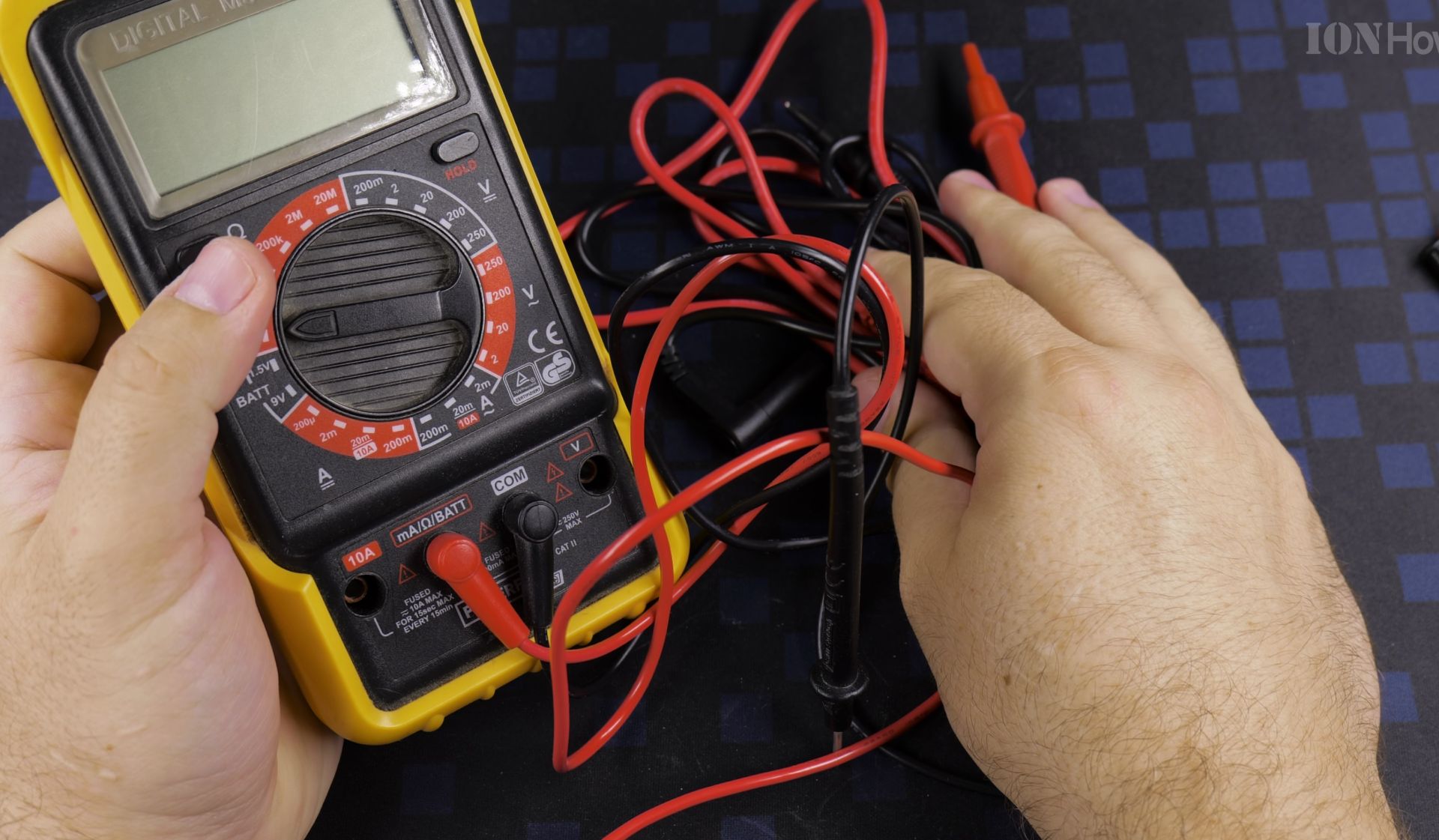
Push each banana plug all the way in. On my Lidl meter both plugs sat firmly with no wobble, which matters, because a loose plug gives jumpy readings.
4. Run a continuity test
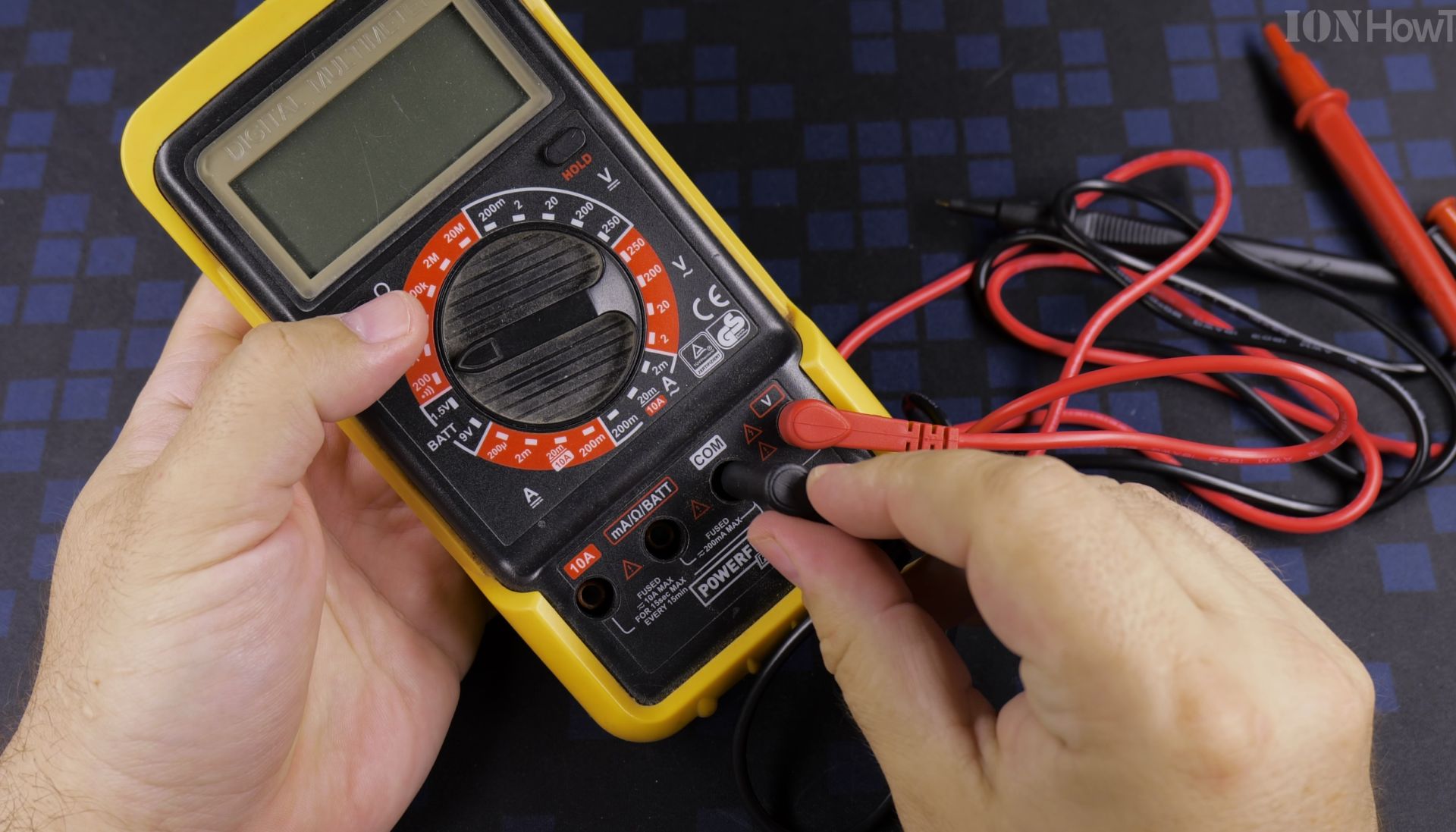
Turn the dial to the setting with the sound symbol and touch the two tips together. A working set beeps and shows a reading close to zero.
My first try was silent. The red lead was in the wrong socket. After I moved it, the meter beeped straight away, so check the sockets before you blame the leads.
When new leads are not worth buying
If a pair of leads costs close to what a new multimeter costs, buying the multimeter makes more sense. You get a second meter and spare leads in one go.
In my case the leads were less than half the price of the meter, so fixing the old one was the cheaper choice. It now lives in the car for checking fuses and the battery.
Looking after test leads
- Throw away leads with cracked insulation or bare wire. Never use them on mains voltage.
- Put the caps back on the tips before the leads go into a drawer or a car glovebox.
- Look for the CAT rating printed near the plug when you buy replacements.
Related Guides
- Step-by-Step Replace Ethernet Cable Pull New Cable with Old Cable in Conduit Upgrade Cat5E to Cat6A – If your home network needs 10-gigabit speeds, pulling new wiring through existing wall pipes is much easier than opening drywall.
- How to repair a broken USB-C cable – How to repair a broken USB-C cable.
- Blood Pressure Monitor Lidl SBM 70 – Blood Pressure Monitor Lidl SBM 70 Unboxing and Test.


Leave a Reply